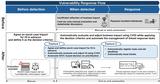
Cross-modal analysis automatically organizes a range of worksite data, such as drawing and notes, to maximize utilization of knowledge and technical expertise
Hitachi has developed an AI analysis technology that streamlines a wide range of operation and design tasks performed by network carriers*1, data center operators, etc., such as daily network monitoring, incident management, configuration changes, and construction planning, thereby enabling swift responses at the worksite level. These worksites are home to large volumes of unstructured data, including network configuration diagrams and incident response records that do not follow predefined table or database formats. Because the data is in free-form formats, conventional AI technology has not been able to analyze it sufficiently, making it difficult to utilize the necessary knowledge and technical expertise in a timely manner. This has led to delayed responses, increased workload, and other problems. To address the issues at hand, Hitachi applied cross-modal analysis*2 that combines XML*3 information recorded within files and image data, enabling unstructured data to be automatically organized and read. This enables the automation of labor-intensive data organization and search tasks, which thereby makes it possible to provide the data as knowledge people can use when the need arises. The technology is expected to enable a faster response during incidents, improve service quality, and reduce the workload of frontline staff. Tests of the technology using the publicly available JPNM*4 (a network model) suggested the potential for an automatic recognition accuracy of approximately 80%.
Going forward, Hitachi will conduct PoC (proof-of-concept) trials with customers such as network carriers and data center operators to quantitatively verify the feasibility and accuracy of the technology and further enhance its capabilities.
Hitachi will work to strengthen this technology as one of the foundational technologies supporting its Lumada 3.0 objectives, contributing to building the foundation of a safe and secure digital society.
*1 Network carrier: A business operator with its own telecommunications infrastructure (such as base stations and network lines) that directly provides telecommunications services such as mobile phone and internet access.
*2 Cross-modal analysis: A technology that combines and analyzes different types of data (e.g., text and images), enabling more accurate information extraction and recognition.
*3 XML: An extensible markup language used to structure and define data in a shareable manner.
*4 JPNM (Japan Photonic Network Model): A network model connecting prefectures across Japan, established for broad use including research, development, and business purposes.
Reference: About JPNM
Background and challenges
Work on the frontlines of network operation/design operations at network carriers and data center operators involves performing a wide variety of tasks on a regular basis, including network monitoring, incident management, configuration changes, and construction planning. The data in these operations includes not only structured data,*5 such as tables created using commercial spreadsheet software and databases, but also a wide variety of data generated on a daily basis, such as network configuration diagrams and other data elements, operational records of troubleshooting responses, and notes taken during incidents. This data is stored in a variety of formats, including slide-based files and text documents. These types of data are referred to as unstructured data. Because there are no standardized description rules or data formats for unstructured data, retrieving the information quickly when the need arises utilizing it as knowledge and technical expertise has proven difficult. These challenges have been barriers to identifying the root cause of incidents and applying AI to automate operations.
*5 Structured data: Data organized according to predefined rules and formats.
Features of the technology and solutions developed to solve these issues
To address these issues, Hitachi developed an AI analysis technology that enables maximum leverage of the knowledge and technical expertise at network operation and design worksites, enhancing efficiency and making it easier for operations to be automated. This technology automatically organizes and structures operational data stored in a range of different formats, such as network configuration diagrams and daily operational records, via a two-phase cross-modal analysis process. In the first phase, XML information (the content described in files) and image data are analyzed separately to obtain a broad overview of the entire dataset. During the second phase, the results of the respective analyses from the first phase are cross-referenced. Portions that match are confirmed as accurate, while portions that do not are examined in more detail to improve recognition accuracy. Verification of the technology’s effectiveness using the publicly available JPNM confirmed that it accurately recognizes relationships among graphical elements and prevents misrecognition caused by oversights or assumptions. Compared with conventional single-modal analysis, Hitachi’s new technology achieved an expected accuracy of up to approximately 80% in the automatic recognition of network configuration diagrams and incident response records. This makes it possible to deliver the wide variety of data at worksites, using generative AI, as easily-accessible knowledge and technical expertise to help enhance operational efficiency and improve the speed and responsiveness of incident management.
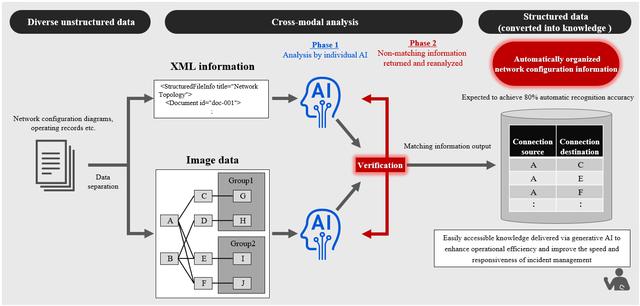
Figure 1: Overview of the new AI technology developed by Hitachi
Future prospects
Going forward, Hitachi will conduct PoC trials with customers such as network carriers and data center operators to quantitatively verify the feasibility and accuracy of the technology and further enhance its capabilities. It will also promote the utilization of the knowledge and technical expertise accumulated at network operation and design worksites to support greater operational efficiency and knowledge transfer while also considering expanding the application of this technology into railways, electric power, and other elements of societal infrastructure. Through these initiatives, Hitachi will work to strengthen this technology as one of the foundational technologies supporting its Lumada 3.0 objectives, contributing to forming the foundation of a safe and secure digital society. Part of these research findings are scheduled to be presented at the Japan Network Operators’ Group JANOG57 Meeting, to be held in Osaka from February 11 to 13.
For more information, use the inquiry form below to contact the Research & Development Group, Hitachi, Ltd. Please make sure to include the title of the article.
https://www8.hitachi.co.jp/inquiry/hitachi-ltd/hqrd/news/en/form.jsp