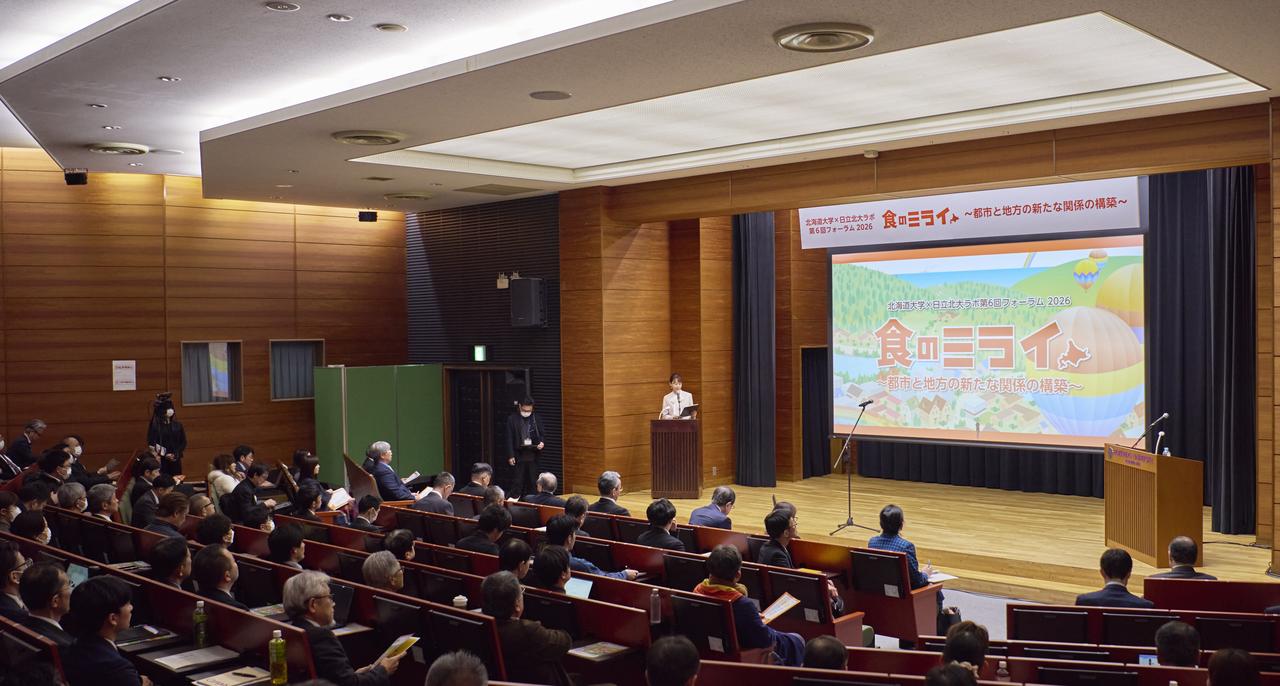
Food is essential for us to live, but it is also deeply connected to our well-being and the cultures of local communities. Today, however, our food environment faces a growing number of challenges, including climate change, the global food crisis, food loss and waste, and the declining number of people engaged in agriculture.
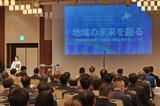
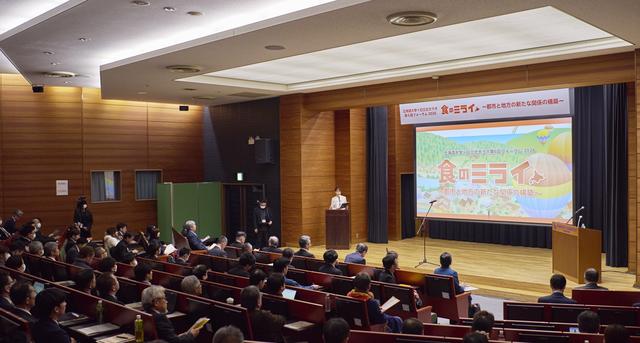
On Tuesday, February 3, 2026, Hokkaido University and the Hitachi Hokkaido University Laboratory held their sixth forum titled “The Future of Food: Building New Relationship Between Urban and Rural Communities.” Drawing on the challenges facing today’s food system, experts from government, academia, and industry engaged in in-depth discussions on the future of food, agriculture, and the food industry. The forum allowed us to share possibilities for building a new relationship between urban and rural communities through food.
Opening Address & Co-Hosts’ Welcome Remarks
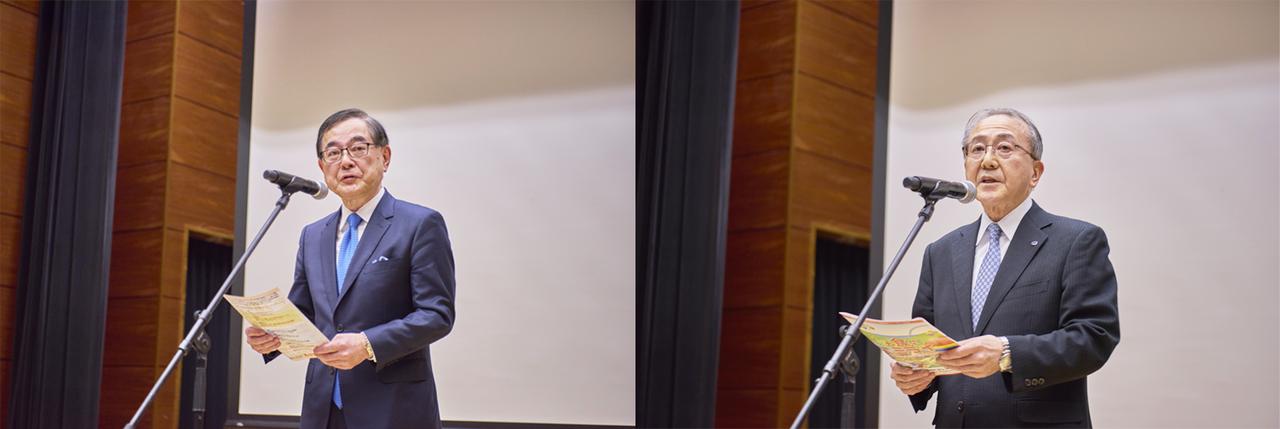
Left: President Houkin, Hokkaido University/ Right: Chairman Fujii, Hokkaido Economic Federation.
Established in 2016 as an open innovation hub between Hokkaido University and Hitachi, Ltd., the Hitachi Hokkaido University Laboratory promotes research and development aimed at addressing challenges such as depopulation coupled with fewer children and demographic aging while contributing to the realization of sustainable regional communities through collaborative creation with diverse partners. As a platform for presenting the laboratory’s research achievements and exploring the future of regional communities, Hokkaido University and the Hitachi Hokkaido University Laboratory have hosted this open forum annually. The sixth forum this year focused on the theme, “The Future of Food.”
In his opening remarks, Hokkaido University President Kiyohiro Houkin reflected on how this forum series has, over the years, addressed regional challenges arising from population decline and depopulation, with a particular focus on the relationship between urban and rural communities. He went on to note that this year’s theme, “food,” is especially significant because it aligns with one of Hokkaido University’s core research areas associated with J-PEAKS (Program for Forming Japan’s Peak Research Universities), a government initiative to strengthen regionally distinctive research universities.
President Houkin also pointed out that the forum’s subtheme—the relationship between urban and rural communities—has been a longstanding challenge debated since the 19th century, for which no definitive answer has yet been found. He emphasized that “we can safely say cities can only thrive with the support of rural regions,” noting that “food and food science are key to understanding and strengthening that relationship.” He concluded by calling attention to the significance of this forum bringing together speakers from diverse backgrounds to examine the relationship between urban and rural communities under the light of food.
Next, Yutaka Fujii, Chairman of the Hokkaido Economic Federation, noted that this forum coincides with the 150th anniversary of Hokkaido University’s founding. Building on the forum’s longstanding theme of “community development through coexistence,” he explained that this year’s forum expands discussions by using food as a lens to explore a new relationship between urban and rural communities. He also praised the initiative as being characteristic of Hokkaido University, highlighting its commitment to “regenerative agriculture” vital for a sustainable food system.
He went on to emphasize that as food security becomes an increasingly important global issue, Hokkaido—responsible for supplying approximately 20% of Japan’s food—has an even greater role to play as the nation’s largest food-producing region. Concluding his remarks, he said: “The ‘ 2050 Hokkaido Vision (Japanese Only)’ promoted by the Hokkaido Economic Federation aims to create an industrial regional society in which diverse strengths and values are connected and mutually enhanced. While preserving Hokkaido’s production landscapes, we are working to strengthen the transportation and logistics infrastructure that supports agriculture, forestry, fisheries, food supply, and tourism.”
Keynote Presentation: The Imperative of “Preserving” Rural Communities—Depopulation As an Urban Food Challenge
A keynote address was then delivered by Tomoyasu Marutani, Chairman of Secoma Co., Ltd., who spoke about the company’s efforts to sustain and revitalize local communities through its business model built on a unique supply chain. The following is a summary of his presentation.
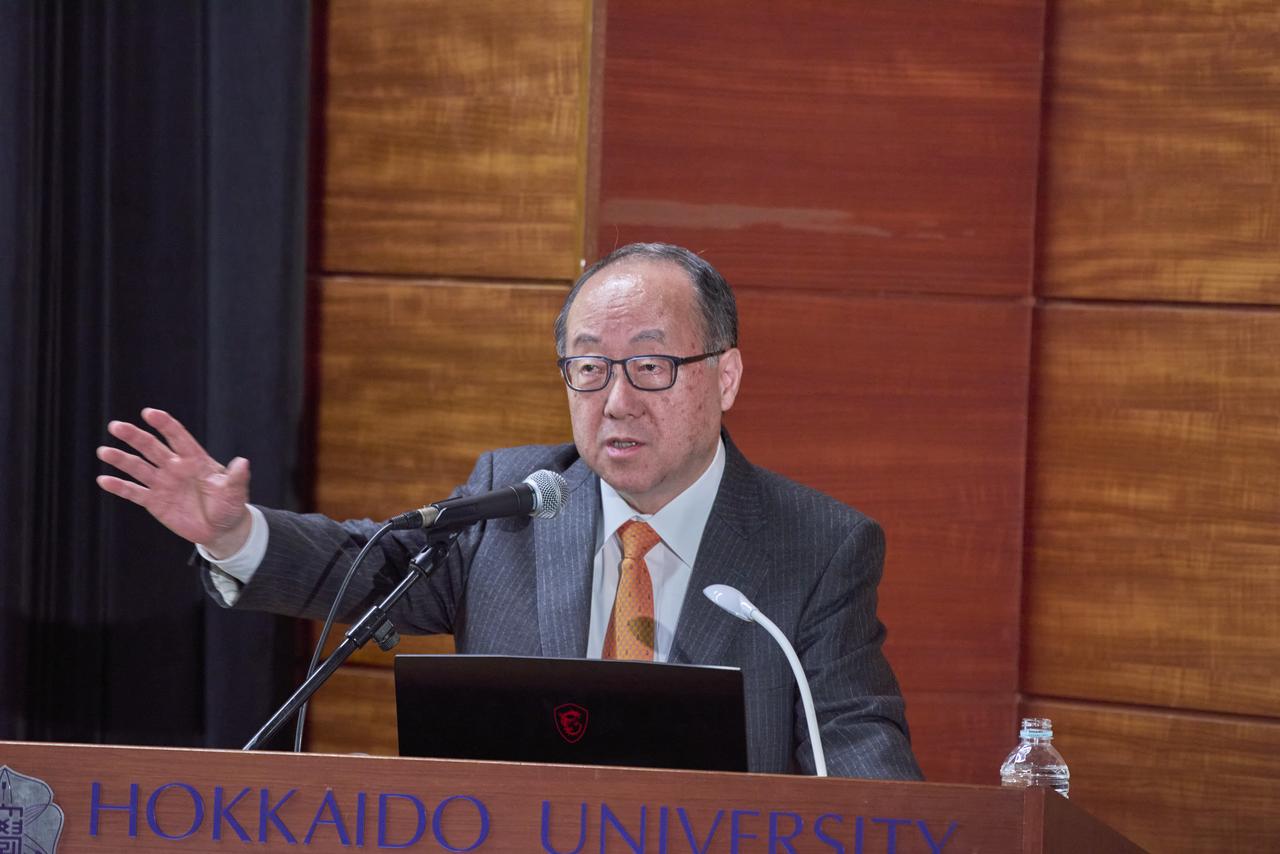
Chairman Marutani
“My name is Tomoyasu Marutani of Secoma Co., Ltd. Although today’s lecture title uses a somewhat grand term, ‘imperative,’ the message I would like to convey is simple: Depopulation is not merely a challenge for rural areas. Cities depend on rural areas for their food supply. Depopulation is not only a challenge for rural communities; it is also a challenge that affects the lives of people in cities. I believe we must first recognize this reality and face it squarely.
Secoma Co., Ltd. has developed a wide range of private-brand products using 162 locally sourced ingredients from 72 municipalities across Hokkaido. These products are marketed not only within Hokkaido but also throughout Japan and overseas. Today, the number of products we sell outside Hokkaido and in international markets adds up to approximately 34.5 million. Our business is rooted in so-called depopulated areas. Yet these regions are ‘sparsely populated’ precisely because they contain vast expanses of farmland that serve as invaluable food-producing land. These production landscapes not only sustain the food supply for our cities but also form the foundation of our business. That is why we see ‘protecting these production land’ as our mission, and indeed, an ‘imperative.’ At the heart of our business is a commitment to continue existing together with the communities we serve.
A defining feature of the Secoma Group is its unique integrated supply chain, which encompasses every stage of the value chain—from sourcing raw materials and agricultural production to food manufacturing, logistics, and retail. The Group’s agricultural production companies operate seven farms across Hokkaido, covering a total of 134 hectares and producing approximately 2,177 tons of vegetables annually. This accounts for about 23% of the roughly 9,600 tons of vegetables used each year as raw materials in our products. Another 67% is sourced from contracted farmers and agricultural cooperatives, while purchases from the open market are kept to around 10%. This approach minimizes the impact of price fluctuations and enables us to maintain a stable supply of raw materials.
It is the logistics sector that is the most important element in sustaining our supply chain. We operate 14 distribution hubs across Hokkaido and deliver products to stores throughout the region through a distribution network centered on strategically located distribution centers in key regional cities. Approximately 300 trucks are on the road every day, with a combined daily driving distance of around 70,000 kilometers. It is no exaggeration to say that our ability to operate a total of 1,251 stores across almost all of Hokkaido and the Kanto region (as of the end of December 2025) is made possible by this logistics network.
Looking to the future, the strategy I consider most important is to ‘preserve’ local communities. Our ultimate goal is regional ‘revitalization’—to create a future in which these communities can thrive. Before we can revitalize them, however, we must first ensure that today’s industries and the production landscapes that sustain our supply of raw materials are preserved. Without them, there can be no vision for the future. One tangible example of this commitment is opening stores in communities that have no retail outlets. This is less a growth strategy than an expression of ‘our mission’—to ensure that we continue to exist together with the communities we serve.
Opening stores in sparsely populated communities is by no means easy. That is why the cooperation of local residents and municipal governments is essential. For example, local communities may support us by offering lower rents for store locations, helping us reduce operating costs by allowing shorter business hours, assisting us in recruiting staff, or working with us to identify products and services that meet local needs. They may also place orders with our stores for neighborhood meetings and community events. Through this kind of support, we are able to operate stores by sharing the responsibilities and challenges with the entire community concerned.
Behind these store openings are several operational innovations that make them possible. These include a robust logistics network covering the entire region of Hokkaido as well as flexible adjustments to store-level investments and running costs tailored to the circumstances of each community. Other key factors include the diversification of revenue streams through supply chain management. Another is our business structure where about 85% of our stores are directly operated (a remarkably high ratio for a convenience store chain), thus enabling the Group as a whole to support operations in regions where it would be difficult for individual stores alone to stay afloat. Through these efforts, even stores located in areas experiencing depopulation and population shrinkage have achieved higher sales than at the time of opening.
A business cannot be sustained if it opens stores in local communities solely as an act of goodwill while expecting to operate at a loss. Contributing to local communities is not about donation but about contribution. Our relationship with these communities is one of mutual support: We support them, and they support us. For example, opening a store in a community often leads us to rediscover the value of local ingredients and specialty products unique to the area, such as haskap berries and Japanese mint. By incorporating these regional resources into our products, we have created a number of successful best-selling items. Commercializing these products has not only expanded their applications and market opportunities but has also enhanced the value of the resources themselves, providing a significant source of encouragement for local growers of such ingredients and products.
To sustain these initiatives, we have been working to enhance logistics efficiency through meticulous transportation planning, improve loading ratio by making effective use of reverse logistics for resource recovery, and automate warehouse operations, among other measures. We have also focused on reducing waste in our manufacturing processes and improving yields while lowering costs through technologies such as a vegetable freshness preservation catalyst developed by Hokkaido University. These efforts also contribute to reducing food loss.
By addressing the challenges faced by local communities, we can develop practical solutions—however small they may be. As these solutions accumulate, they can lead to broader and more meaningful change. In the process, trust is built with local communities, giving rise to strong regional brands. And regional brands, when embraced nationwide, have the potential to grow into nationally recognized brands.
Long before sustainability became a widely recognized concept, we had already been working to build sustainable local communities. At the heart of these efforts is a simple belief: ‘We exist because local communities exist.’ By placing ‘food’ at the center of our efforts and confronting the very real challenge of ‘preserving the communities we have today,’ we can move forward one step at a time toward practical solutions. And if we continue to do so, those steady efforts will ultimately lead to a more sustainable future. That is my vision of what it means to live and thrive together with local communities.”
The forum also featured a keynote address by Kazuto Ataka, Professor in the Faculty of Environment and Information Studies at Keio University and Senior Strategist at LY Corporation. He spoke on the theme, “Hopes of the ‘Valley of the Wind’—Creating a Future Worth Preserving,” presenting his vision for the Valley of the Wind initiative, which seeks to address challenges facing the sparsely populated spaces where agriculture is sustained.
Presentation 1: Sustainability in Food/Agriculture & Emerging Trends
I am Yasuhiro Nakashima of Kagawa Nutrition University. Today, I would like to discuss global and Japanese food security from the perspective of agricultural policy. In the past, discussions on food issues were dominated by concerns that food production would not be able to keep pace with population growth, as argued by British economist Thomas Robert Malthus in “An Essay on the Principle of Population.” However, these concerns were banished through the “Green Revolution” farming renovation—which dramatically increased crop yields by way of advances such as improved crop varieties and the widespread use of chemical fertilizers—as well as through international trade that enabled countries short of food to supplement domestic supplies with imports from food-surplus nations. In recent years, the focus of discussions has shifted from food supply alone to the broader relationship between “food and the environment,” driven by the concept of planetary boundaries. As a result, increasing attention has been paid to links between climate change/greenhouse gas emissions and agriculture. In 2021, the United Nations convened the Food Systems Summit, making it clear that the transition to sustainable food systems is a shared global priority.
At the same time, hunger remains a persistent challenge in many parts of the world. Since the 1970s, the United Nations’ Food and Agriculture Organization (FAO) has led discussions on the concept of food security. While the initial focus was on food availability, the concept has since evolved to encompass the three additional dimensions of stability, access, and utilization. Following the 1996 World Food Summit, efforts to strengthen food security were advanced based on these four pillars. As a result, the goal of halving the number of people affected by hunger by 2015 was achieved. This commitment has since been carried forward under “Goal 2: Zero Hunger” of the Sustainable Development Goals (SDGs). More recently, affordability has also come to be recognized as an important indicator for monitoring food security. In addition, the High Level Panel of Experts on Food Security and Nutrition belonging to the Committee on World Food Security (CFS), set up inside the FAO in 2020, proposed expanding the food security framework to include the two further dimensions of agency and sustainability. In particular, the fact that some people have little choice but to rely on inexpensive yet nutrient-poor foods underscores the importance of enabling more informed and autonomous choices in both food consumption and production.
Against that background, the 2021 United Nations Food Systems Summit reaffirmed the global commitment to building food systems that are sustainable, inclusive, and transformative, while continuing to pursue the achievement of zero hunger by 2030, the target year for the Sustainable Development Goals (SDGs). In line with this commitment, countries around the world developed their respective “National Pathways” to guide their actions. Japan has registered its plan based on the “MIDORI Strategy for Sustainable Food Systems.”
Looking at the proportion of people who are unable to afford food at reasonable prices, Japan is, in fact, at a relatively high level among OECD member countries. The poverty rate remains persistently high, with particularly difficult circumstances continuing among single-parent households with children. The fact that children's community meal programs ("kodomo shokudo") and food banks have become indispensable parts of society highlights the seriousness of food access issues in Japan.
In considering Japan’s food security policies, an important reform was recently implemented. It is the first revision to the Basic Act on Food, Agriculture and Rural Areas since its enactment in 1999, which serves as the foundation of these policies, and the amendment came into effect in June 2024. Based on this revised act, the latest Basic Plan for Food, Agriculture and Rural Areas, which is formulated every five years under the law, was approved in April 2025. The key focus of both the recent revision to the Basic Act and the review of the Basic Plan is the restructuring of Japan’s food security policy. The food policy framework was reviewed to address four major concerns: Declining domestic agricultural production, growing dependence on food imports, the need to secure a stable food supply in times of emergency, and the persistent inadequacy of food access even under normal conditions. Among the four fundamental principles set out in the Basic Act, the principle of “ensuring a stable food supply” has been revised to “ensuring food security.” In addition, a new fundamental principle—”establishing a food system in harmony with the environment”—has been introduced. The revised act also defines food security as “a state in which safe and nutritious food is supplied in a stable manner at reasonable prices and is accessible to every individual.”
Looking at the current state of Japan’s food supply, the country’s food self-sufficiency rate—particularly on a calorie basis—has declined steadily over the long term. The primary reason for this trend is that domestic agricultural production was unable to keep pace with the rapid postwar population and economic growth, which drove a significant increase in demand for a more affluent diet, including edible oils and livestock products. Around the year 2000, however, food consumption began to decline and, as if keeping pace with it, domestic food production also contracted. Measured in real output value, domestic production has been on a long-term downward trend since the mid-1980s. This decline is largely attributable to a continued reduction in key inputs to agricultural production, including land, labor, and capital. Without technological innovation during this period, agricultural production would have declined even further. This decline in supply capacity poses a growing threat to Japan’s food security.
Looking ahead, a reduction in the agricultural workforce will be unavoidable as Japan’s population continues to decline. To help offset this trend, the adoption of smart agriculture has been promoted. However, this alone will not be enough. Over the past three decades, prices of agricultural produce and food have remained relatively subdued in Japan, keeping profit margins low. This, in turn, has contributed to the decline in food supply. Against this backdrop, the latest policy switchover seeks to promote more rational price formation and enhance the value of agricultural products through the “Food System Act,” while restoring incentives for domestic production through measures such as the reform of paddy field policies, thereby strengthening Japan’s food supply capacity.
Agricultural policy reform is currently advancing at a remarkable pace. The most pressing challenges now are the expansion of abandoned farmland and the need to address the impacts of climate change on agricultural production. In the short to medium term, Japan faces the key challenges of ensuring the smooth transfer of farm management amidst a rapid wave of retirements from the industry and accelerating the implementation of environmental measures. Over the medium to long term, Japan must expand the adoption of smart agriculture while establishing a more diverse and resilient agricultural sector as the number of experienced but aging farmers declines more rapidly. Revitalizing Japanese agriculture in an era of population decline is undoubtedly a formidable challenge. However, the world as a whole is also expected to enter a period of population shrinkage after 2050 and will increasingly face the challenge of sustaining food production amid labor shortages. From this perspective, Japan’s efforts to meet challenges and the lessons learned from its experience have the potential to offer valuable insights into the future of agriculture worldwide.
Presentation 2: Shaping the Future Through Regenerative Food Production
I am Takanori Nishimura of Hokkaido University. I specialize in animal science in the School of Agriculture, and my research at the Meat Science Laboratory has focused on the mechanisms underlying the formation of skeletal muscle in livestock—that is, the meat we consume. I had the privilege of serving as the eighth professor to hold this chair.
The first professor was Sagoro Hashimoto, who was also a member of the eighth graduating class of Sapporo Agricultural College, the predecessor of Hokkaido University. His graduation thesis, “Model Agriculture,” has been preserved in the library of the School of Agriculture at Hokkaido University. In his thesis, Hashimoto first explored the fundamental question of “What is agriculture?” and then developed a discussion on the practical question of “How should agriculture be practiced?” in terms of technology. Reading this work, I was struck by the importance of reexamining the meaning and purpose of agriculture today before focusing on technological approaches.
At the conclusion of his thesis, Hashimoto wrote that he felt excited by the prospect of a future in which farms of 10,000 “tsubo” (about 33,000 sq. meters; 1 tsubo being some 3.3 sq. meters) could be established. This raises the question: have we been able to realize the vision of “Model Agriculture” that Hashimoto envisioned 137 years ago? In Hokkaido, farmland has got larger in line with land consolidation, and farm operations on a scale beyond what Professor Hashimoto envisioned have been realized. However, looking at Japan as a whole, the agricultural foundation has, in fact, become increasingly fragile.
This is precisely why we must now reconsider what “model agriculture for the future” should look like. Agriculture in the past has, at times, moved in a direction that contributed to environmental degradation. We must reverse this trend and shift toward a path of regeneration. The foundation for this transformation lies in an environmentally regenerative type of industry—that is, regenerative agriculture, forestry, and fisheries.
There are multiple dimensions of the “environment” that must be regenerated. They are the production environment, the global ecological environment, the environment of local communities, and the inner environment of people (their purpose in life). Seeking to create a society where people in local communities can feel a quiet sense of prosperity and well-being by harnessing the inherent potential of environmental regeneration in agriculture, forestry, and fisheries for the benefit of society as a whole while building a framework in which diverse stakeholders work together—I believe this is the ultimate goal of regenerative agriculture, forestry, and fisheries.
As we mark the 150th anniversary of the founding of Sapporo Agricultural College in 2026, we take this milestone as a starting point for envisioning the next 150 years. We have named this new vision for agriculture, forestry, and fisheries—one that begins at Hokkaido University—”MOHAN (Model of Hokkaido Agricultural Nobility): A Vision for the Future of Food and the Environment for Human Coexistence.” Through this vision, we aim to advance the concept of regenerative agriculture, forestry, and fisheries. By integrating the knowledge and experience cultivated through agriculture in cold climates with cutting-edge science and digital technologies, we aim to evolve from the concept of Model Agriculture to MOHAN and develop, from Hokkaido, a model for sustainable food production that regenerates both the natural environment and local communities.
As a concrete step toward this goal, we have established the “Institute for Regenerative Agri-Forest-Fisheries (IRAFF),” which is carrying out its activities within the framework of the J-PEAKS program. For example, we have already launched a number of projects across Hokkaido, including pasture-based Japanese wagyu beef cattle production in Shiraoi and a circular regeneration initiative for sea urchins and seaweed beds in Shakotan. Looking ahead, we plan to expand these efforts through projects such as the development of a “real 4D digital twin initiative” of Funka Bay (Uchiura Bay) in collaboration with Muroran Institute of Technology, and a project centered on our northern Hokkaido experimental forests to create a circular system linking forests, water, and people.
To advance regenerative agriculture, forestry, and fisheries on a broader scale, we must overcome a wide range of challenges, including the establishment of evaluation and certification systems, changes in public awareness, business models, and investment. Achieving this will require a collaborative framework that brings together not only universities but also industry, financial institutions, government, and citizens.
From the perspective of food security, expanding collaboration across Asia is also essential. Japan’s food security cannot be achieved by the country alone; rather, we seek to realize “a model of regionally co-created food security” in partnership with other Asian countries. Although regenerative approaches are often associated primarily with environmental conservation, they also offer significant market advantages. In fact, they have the potential to become a business strategy that creates a competitive edge in the Asian market.
Realizing regenerative agriculture, forestry, and fisheries requires a platform capable of mobilizing not only primary producers but also related industries. Such a platform is expected to foster the sequential emergence of new industries. To this end, we also hope to explore opportunities for collaborative creation with the Hitachi Group in areas such as AI and logistics. Starting in 2026, we look forward to working together with all of you to build a sustainable food production system and realize a society founded on well-being.
Presentation 3: Hitachi’s Initiatives for Stable Food Supply & Environmental Regeneration
I am Takayuki Hashimoto, Laboratory Manager, Hitachi Hokkaido University Laboratory, seconded from Research & Development Group, Hitachi, Ltd. This year marks the 10th anniversary of the Hitachi Hokkaido University Laboratory, which was established in 2016. Over the past decade, the laboratory has addressed a wide range of societal challenges, including maternal and child health (with a focus on reducing the incidence of low birth weight), mathematical optimization, and local energy production for local consumption. It has also successfully completed multiple field demonstration projects. Looking ahead to the next decade, we are launching a new research initiative focused on food and agriculture, seeking to address such issues as fundamental challenges in food security and the establishment of a new relationship between urban and rural communities through food.
One of the laboratory’s notable achievements to date has been in reducing the incidence of low birth weight. Researchers identified a correlation between intestinal proteins and the diversity of the gut microbiota, reducing the testing period to one quarter of its previous duration. Furthermore, the technology was implemented on Iwamizawa City’s integrated health data platform, contributing to a reduction in the rate of low birth weight from 10.4% to 6.3%.
In the area of local energy production for local consumption, we demonstrated in Iwamizawa City the ‘nanogrid’ concept that enables energy to be produced and consumed within a local area. We also achieved a more stable power supply by compensating for fluctuations in solar power generation with electricity generators run by methane gas extracted from hot springs. By utilizing this electricity for agriculture and public transportation, we aim to reduce CO₂ emissions while also providing a safety net in times of disaster.
Let me refer to part of our future initiatives. In the field of food, we are advancing business activities and R&D related to systems and services across the entire food value chain, from upstream (production) to downstream (distribution and consumption). In the business phase, we are pursuing the following three initiatives.
First, the temperature management service “MiWAKERU®” is a system that visualizes temperature management information through a smartphone application, with a label changing its color when temperatures deviate from the prescribed range. The innovation and social impact of the system have been recognized through multiple awards, including the Japan Industrial Technology Grand Prize.
Secondly, a demand forecasting-based automated ordering system, known as “Hitachi Digital Solution for Retail,” automates the ordering process based on AI-driven demand forecasts. It has achieved an automated ordering rate of over 90%, contributing to solutions for the 2024 logistics problem (a lack of truck drivers caused by mandated limits to work hours) and to the reduction of food loss.
And third, our distributed satellite processing hub concept, known as the “Food Tech Park,” aims to secure labor resources and enhance value creation by establishing storage and processing facilities close to agricultural production areas. A project is currently being planned in Obihiro, with the goal of accelerating the adoption of local production for local consumption through the addition of an energy area.
We have found that the fundamental challenges to food security are concentrated in the upstream area of the food value chain. The first challenge is our heavy reliance on overseas sources for 70% of fertilizers and 90% of seeds. The second is climate change and soil degradation. Climate change is causing fluctuations of up to 30% in crop yields, and one-third of the world’s soils have already been degraded. Developing soil-sensing technologies needed for soil restoration is therefore a critical challenge. The third challenge is population shrinkage and aging. In particular, it is essential to improve productivity in hilly and mountainous areas, where the weakening of rural communities has made it increasingly difficult to maintain agricultural infrastructure, such as irrigation systems.
As part of Hitachi’s efforts to address these challenges, we are exploring the use of a simulation model for multilateral trade for predicting risks in supply chains. The model is one of the outcomes of research undertaken in partnership with the University of Tokyo’s Digital Observatory Research Initiative. We are also working in collaboration with Hokkaido University to address soil degradation and the shortage of agricultural workers, advancing our research through a field-oriented approach. We also received messages from two key figures involved in these respective initiatives: Professor Takuro Shinano of the Laboratory of Plant Nutrition, School of Agriculture, Hokkaido University, and Professor Noboru Noguchi, Dean of the School of Agriculture and Professor at the Research Faculty of Agriculture, Graduate School of Agriculture, Hokkaido University.
Professor Shinano emphasized that addressing soil degradation will require sensor technologies for soil, monitoring technologies, and technologies for analyzing the resulting data using AI. He also expressed his hopes for collaboration with the Hitachi Group in these areas.
Professor Noguchi expressed his expectations for the potential of Hitachi’s research concept of using AI to co-evolve agricultural tasks and robots, with the aim of advancing smart agriculture in mountainous and hilly areas—an essential step toward revitalizing Japan’s agriculture. At the core of the research concept he highlighted is a co-evolution loop between agricultural tasks and robots. AI proposes optimal work procedures, environmental transfiguration, and robot configurations based on specific objectives and requirements, repeatedly refining them through simulation to arrive at rational solutions that go beyond human ideas. Even in environments where human work is difficult, such as elevated locations, underwater, or confined spaces, AI can generate multiple options for work processes and robot configurations, validate promising options through physical simulations, and progressively evolve them.
Over the next decade, Hitachi will continue to take on not only the challenges facing agriculture and the food industry, but also those facing the communities where agriculture is practiced, as well as the challenge of building a new relationship between urban and rural areas through food, with the support and cooperation of our partners in academia, government, and industry.
Panel Discussion: Regional Revitalization in Hokkaido Through Food & Agriculture
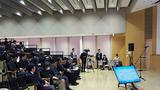
As panelists at a discussion held as the final program, we invited guests who are working to revitalize local communities in Hokkaido through food and agriculture. Drawing on their respective experiences, they discussed approaches to what regional revitalization should look like.
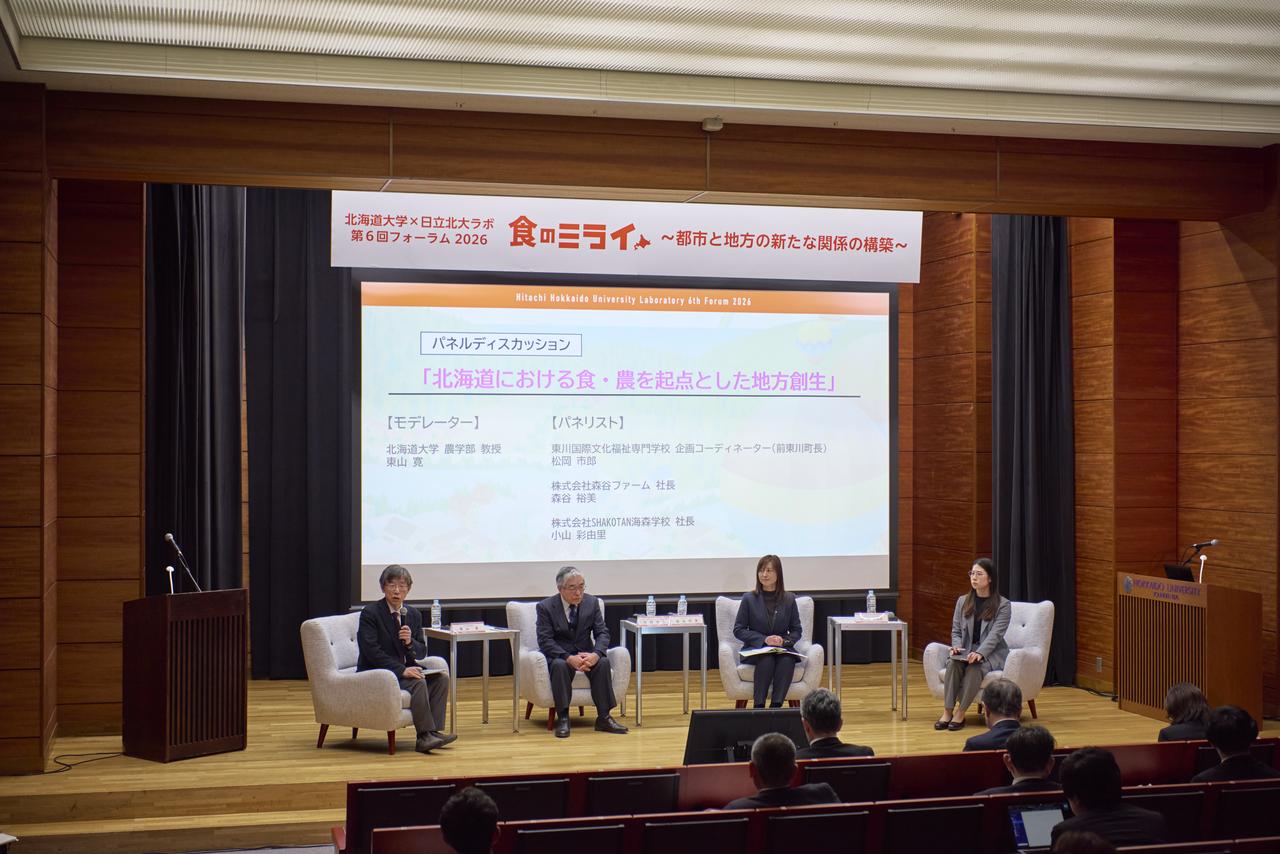
Panel discussion. From left: Prof. Higashiyama, Mr. Matsuoka, Ms. Moriya, and Ms. Koyama.
Kan Higashiyama, Professor, School of Agriculture, Hokkaido University
Today, we are joined by three guests who are actively working to develop and revitalize communities across Hokkaido. Before we begin the discussion, I would like to invite each of them to introduce their respective initiatives.
Ichiro Matsuoka, Planning Coordinator, Higashikawa Training College of International Culture and Welfare (former mayor of Higashikawa):
The town of Higashikawa, where I live, is home to Mt. Asahidake in the Daisetsuzan mountain range and is blessed with abundant snow and water. According to a post-World War II survey, the amount of snowfall across the Chubetsu River basin, centered around Mt. Asahidake, reached as much as 198 million tons. This represents a major resource for the local community.
Rural areas are currently faced with “triple declines”: population shrinkage, reduced consumption, and sagging financial resources. Our major challenge is how to turn this set of downward trends into a virtuous cycle. Agriculture is also facing difficult circumstances amid intensifying international competition and changes in consumption patterns, with the agricultural workforce shrinking rapidly and rice consumption falling significantly. Rice prices are currently a major issue, but is a price of around 4,000 yen per 5 kilograms, or about 120 yen per “go” (180 milliliters), really expensive? Paddy fields provide not only food that sustains people’s lives, but also a range of other benefits, including the conservation of land and the natural environment. I believe we need to have a perspective that supports these diverse values across society as a whole.
In promoting community development, I have sought to create a town with “appropriate density” in population—neither depopulated nor overcrowded. I believe that culture and the arts are key to enhancing the value of such “appropriate density” while, at the same time, it is essential to place importance on agriculture. Supporting a population requires both a “dam function,” which supports children, education, and health, and a “hub function,” which leverages local resources to attract people to the community and encourage them to stay.
In 2015, marking the 120th anniversary of the founding of Higashikawa Town, we launched initiatives to restore two things. One is what adults had taken away from children, or “places where children can play freely.” The other is what we had failed to pass on, or opportunities to “learn about and experience the importance of agriculture (food).” To help children become familiar with “the culture of soil,” we began producing rice locally for school lunches. And, in addition to soccer fields and open spaces at schools, we have developed rice paddies, vegetable fields, orchards, and so on, creating an environment where children can learn through all five senses. Regional revitalization is also about revitalizing education. I believe that “rural communities” provide an ideal environment for improving academic achievement, fostering a sense of respect for one’s hometown, and promoting international education.
Hiromi Moriya, President, Moriya Farm Co.:
The town of Rubeshibe, where Moriya Farm is located, merged with the former city of Kitami City and other municipalities in 2006 to become part of Kitami City. The area is known for its hot springs and aquarium as well as for producing onions and “Shiro-Hanamame” (white kidney beans). Moriya Farm is an agricultural corporation with a history spanning more than 110 years. I became its representative in 2015 and have since worked on such initiatives as obtaining GAP (Good Agricultural Practices) certification, promoting collaboration between agriculture and welfare services, and accepting trainees.
As part of our community initiatives, we established the “ Rubeshibe Shiro-Hanamame Club (Japanese Only)” in 2015 to promote the local specialty, encourage its wider use, and contribute to regional revitalization. The club brings together members from a wide range of industries, including crop growers, dairy farmers, confectionery shops, restaurants, a local chamber of commerce, and hotels. Together, we have continued to develop recipes using white kidney beans, commercialize new products, distribute seeds, promote a destination-sponsored type of tourism that connects local scenery with tourism experiences at the initiative of local stakeholders, hold photo contests and concerts, and allow local junior high school students to experience hands-on agricultural work.
In Kitami City, population shrinkage, a declining birthrate and aging population, and rising administrative costs due to aging infrastructure are creating an urgent need to improve the efficiency of public services. Rubeshibe Town has also experienced a significant decline in population. In 2025, the number of residents under the age of 15 was just 230. The local kindergarten has closed, the high school has also shut down, and the continued operation of our childcare center is now in question. Children travel to Kitami City, about 30 kilometers away, for extracurricular activities and cram school attendance. More recently, some people have begun living in Kitami while commuting to Rubeshibe to work in agriculture, indicating a growing separation between where people live and where they work.
Even under these circumstances, we continue to undertake initiatives that attract people from both within and outside the community. As part of the activities of the Shiro-Hanamame Club, we hold a “Shiro-Hanamame café,” where visitors can enjoy the scenery of white kidney bean fields and taste dishes made with the beans. We also organize events in collaboration with Tokyo University of Agriculture and other partners, centered around fashion shows featuring agricultural workwear. Without people who put down roots in this community and build their lives here while engaging with the local community, neither community activities nor local culture can be passed on to future generations. We will continue farming in Rubeshibe Town while working to enhance the value of the community by making the most of its unique landscapes and local food, and to increase the number of people connected with the area.
Sayuri Oyama, President, SHAKOTAN Umimori Gakko Co., Ltd.
At SHAKOTAN Umimori Gakko (Japanese Only) (literally sea/forest school), we are working to incorporate eco-tours, nature-based experiences, and other activities into community development. The town of Shakotan is located only about an hour and a half by expressway from Sapporo, yet it is a nature-rich community blessed with abundant fishery and forest resources. Like many other municipalities, it is experiencing a rapid population decline, having 1,623 residents as of January 2026. Meanwhile, new local assets are emerging, including a company that has turned seaweed-bed restoration activities into a business and the development of craft gin as a new specialty product making use of local forest resources.
To communicate these local values to the outside world, we operate the company as “a sea/forest school which opens up food, agriculture, and fisheries to new possibilities,” offering hands-on learning programs for both children and adults. For children, we offer hands-on experiences such as a “fish-touch pool,” where they can interact with fish, as well as programs led by young local fishermen to learn about the sea. Through ongoing learning opportunities, including school classes and hands-on activities at elementary schools, we aim to foster a strong connection to their hometown. Shakotan Town does not have a high school, so children leave the town at the age of 15 to attend school elsewhere. For this reason, we place great importance on creating experiences that nurture “a lasting desire to stay connected to their hometown of Shakotan,” wherever they may live in the future.
Our programs for adults are designed as “learning that turns empathy into collaboration,” aiming at experiences for forging human connections that can lead to future employment opportunities and business partnerships. We have created a system in which local residents serve as instructors, placing importance on translating their aspirations for the community into hands-on experiences while also giving shape to the needs and ideas of businesses.
We see “hands-on learning as a translation device.” People working in the primary industry put in considerable effort that is often difficult to see from the outside, and it is essential to find effective ways to communicate that effort and its value. In Shakotan Town, local fishermen have been leading ongoing efforts to combat “isoyake,” or the disappearance of seaweed beds, by turning sea urchin shells into fertilizer and returning it to the sea to restore kelp colonies. To communicate these often-unseen activities, SHAKOTAN Umimori Gakko has been running a “sea urchin school project” since 2021. We are also developing a community-based platform called a “SHAKOTAN Umimori plan” to ensure that these hands-on experiences lead beyond simply creating memories to corporate partnerships and the development of the next generation of local leaders.
Prof. Higashiyama:
Ms. Oyama is originally from the Kanto region, but she was drawn to the appeal of Shakotan and eventually put down roots in the community after working as a Community-Reactivating Cooperator Squad member. I believe her experience is an excellent example of how people and resources from outside a community can contribute to local revitalization.
Also, after listening to Mr. Matsuoka’s remarks, I was struck by the idea that community development ultimately begins with education. Could you elaborate once again on what you mean by that?
Mr. Matsuoka:
In the long term, revitalizing rural communities requires teaching children about the importance of rural areas and the significance of consuming locally and domestically produced goods within Japan. The consciousness of people to choose local agricultural products even when they cost somewhat more than elsewhere can help circulate money within the community and contribute to a wide range of local industries. I believe that fostering this awareness through education is where regional revitalization begins.
Prof. Higashiyama:
Was the development of various facilities at schools also based on this philosophy?
Mr. Matsuoka:
We built a single-story elementary school with a 270-meter-long corridor based on the idea that we should do things that would not be possible in urban areas. To promote hometown education, academic achievement, and international education in an integrated approach, we have developed a distinctive educational environment in terms of both its hardware (physical facilities) and software (educational programs).
Prof. Higashiyama:
The “Rubeshibe Shiro-Hanamame Club” has become a platform for community development. What was the background behind your decision to establish the club, Ms. Moriya?
Ms. Moriya:
It started with the aspirations of farmers who produce white kidney beans. Until then, the people involved with white kidney beans—including farmers and confectionery shops—had each been working hard on their own, like individual “points.” By connecting these people, those points became a “line,” allowing their activities to expand in the community.
Prof. Higashiyama:
It is important to continue maintaining local platforms even after municipal mergers have taken place.
Ms. Oyama’s remarks also highlighted the importance of fostering, through hands-on education, people who may eventually return to the community, even though they are in an environment where they have no choice but to leave town after graduating from junior high school.
Ms. Oyama:
Exactly. It is also important to create job opportunities that make people want to come back and build their lives here.
I feel that the connection between our everyday lives and the sea is becoming increasingly distant. It has become commonplace for fish to be sold already processed and ready for purchase, and even children in Shakotan Town sometimes do not know what the fish they eat actually look like in their natural form. I believe hands-on experiences are extremely important—not only for acquiring knowledge but also for developing an understanding grounded in the senses and direct experience.
Prof. Higashiyama:
What particularly struck me today was the reality that Ms. Moriya mentioned: The local kindergarten has closed, and the childcare center may also disappear. For full-time farmers, losing access to a childcare center would be an extremely serious challenge. Even though the national government is advocating support for child-rearing, I feel that the communities on the ground—the very places where support is most needed—may not be adequately covered.
When thinking about community development in Hokkaido, I believe the fundamental priority must be enabling people to “settle and build their lives” in the community. How to sustain people’s desire to continue living in such a challenging climate has been a major issue since the earliest days of Hokkaido’s development. Crop rotation in agriculture, too, can be seen in part as a practice that evolved as a way of helping people put down roots and remain in the community. We need to translate this idea into a contemporary context and build mechanisms through agriculture, forestry, and fisheries that bring together and attract people for eventual settlement in the community. Going forward, improving productivity will be essential to regional revitalization, and the use of AI and digital technologies will become indispensable. I also look forward to collaborating with Hitachi in these areas.
Summary & Closing Address

Left: Director Watanabe, Ministry of Agriculture / Right: Vice President and Executive Officer Sameshima, Hitachi, Ltd.
Following the panel discussion, Maiko Watanabe, Director, Research Promotion Division, Secretariat, Agriculture, Forestry and Fisheries Research Council, Ministry of Agriculture, Forestry and Fisheries, provided a summary of the forum. She noted that the forum had presented a multifaceted range of perspectives on food and its connections with local communities, industry, and technology, offering many valuable insights for future policymaking and practice.
Looking back on the keynote address, she said it delivered a powerful message that “protecting rural communities leads to sustaining the food supply for urban areas.” She added: “The commitment to viewing logistics, manufacturing, and sales as an integrated whole, while continuing to maintain stores and services even in depopulated areas, made me reflect anew on the profound meaning of the phrase ‘continuing to exist alongside the community.’”
Watanabe also noted that the presentations and panel discussion underscored the importance of understanding the value of food and agriculture through people’s experiences and their living realities. She concluded: “This forum provided a valuable opportunity to consider how urban and rural areas can build a sustainable relationship with each other.”
Next, Shigetoshi Sameshima, Vice President and Executive Officer, CTO, and General Manager of the Research & Development Group, Hitachi, Ltd., delivered closing address. After expressing his appreciation to the sponsors, speakers, and participants, he explained that since its establishment in 2016, the Hitachi Hokkaido University Laboratory has continued to discuss and put into practice what should be done to address social challenges. He reflected on the discussions as a whole, saying: “This forum addressed a broad range of issues centered on the vital topic of ‘food,’ including the role of rural areas as sparsely populated spaces, local demand, labor, product development, and human resource development. I believe there is great significance in deepening these discussions here in Hokkaido.”
Sameshima went on to position the forum not as a venue for presenting ready-made solutions, but as a place to explore the essence of social challenges and consider possible directions for the future through diverse discussions. He emphasized that collaboration among government, industry, and academia is essential to addressing social challenges, and expressed his hope that the discussions held today would lead to further collaborative creation. With these remarks, he brought the forum to a close.