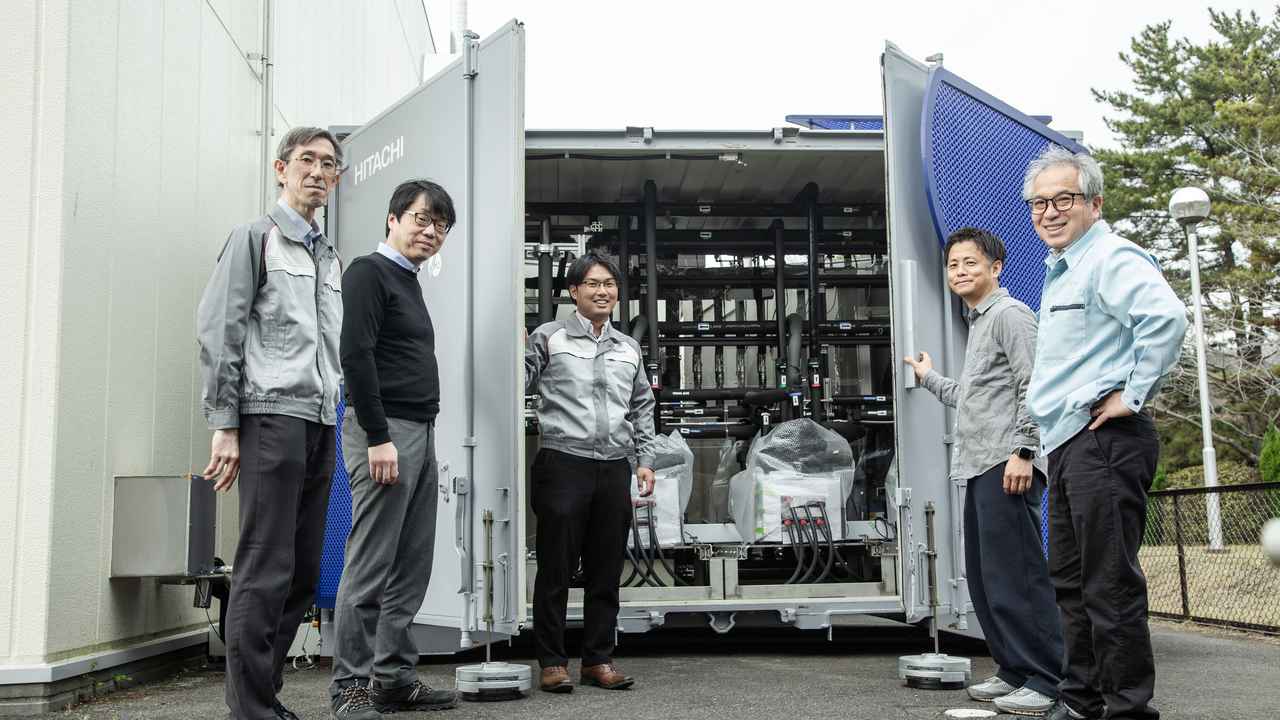
Research from their student days that had little to do with hydrogen
Fujita: As a student, I specialized in electrical energy systems and researched superconductivity. I chose the field because I believed superconductors, which have zero electrical resistance, could help address environmental and energy challenges. One of my research sub-topics involved superconducting transformers. That drew me to Hitachi, where I would be able to engage in full-scale transformer R&D, and I decided to approach the company.
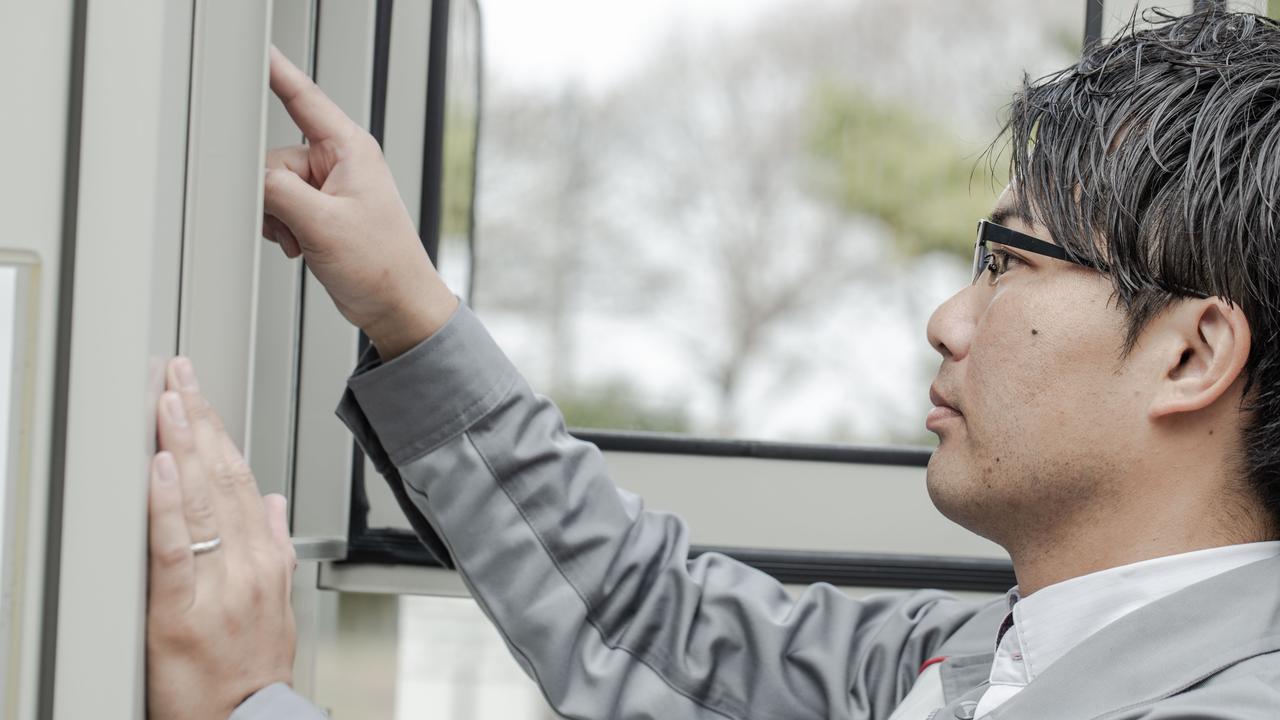
Shinji FUJITA, Hydrogen Value Chain Project, Next Research, Research & Development Group, Hitachi, Ltd.
Since joining Hitachi, I’ve worked in three main areas. I began with transformer development, then shifted from high-voltage work into high-current applications, and later worked on MRI (magnetic resonance imaging) systems that use superconducting technology. Since 2022, I’ve been involved in hydrogen production and transportation systems. For hydrogen production systems, my research focuses primarily on the insulation technology used in the high-voltage water electrolyser that we’ll be talking about today. In a way, it feels like I’ve come full circle, since insulation was already a major part of my work when I was developing transformers [laughs].
One of Hitachi’s biggest strengths is that it brings experts across a wide range of fields—from materials science to thermal engineering—together under one roof. Whenever I run into a challenge, it’s easy to consult colleagues with the expertise I need. That’s been an enormous help.
Sugimasa: From my undergraduate studies through my doctoral program, I consistently focused on electrochemical reactions at electrode surface. My research centered on metal plating, particularly how molecules and atoms behave during adsorption. I measured atomic-scale phenomena on the order of just a few nanometers, and I believed that expertise could help improve semiconductor manufacturing technologies, an area that Hitachi was already active in. A graduate from my laboratory who’d joined Hitachi introduced me to the company. When I visited, I found that my highly specialized plating research actually aligned surprisingly well with the kind of research the company was doing. That convinced me to join Hitachi.
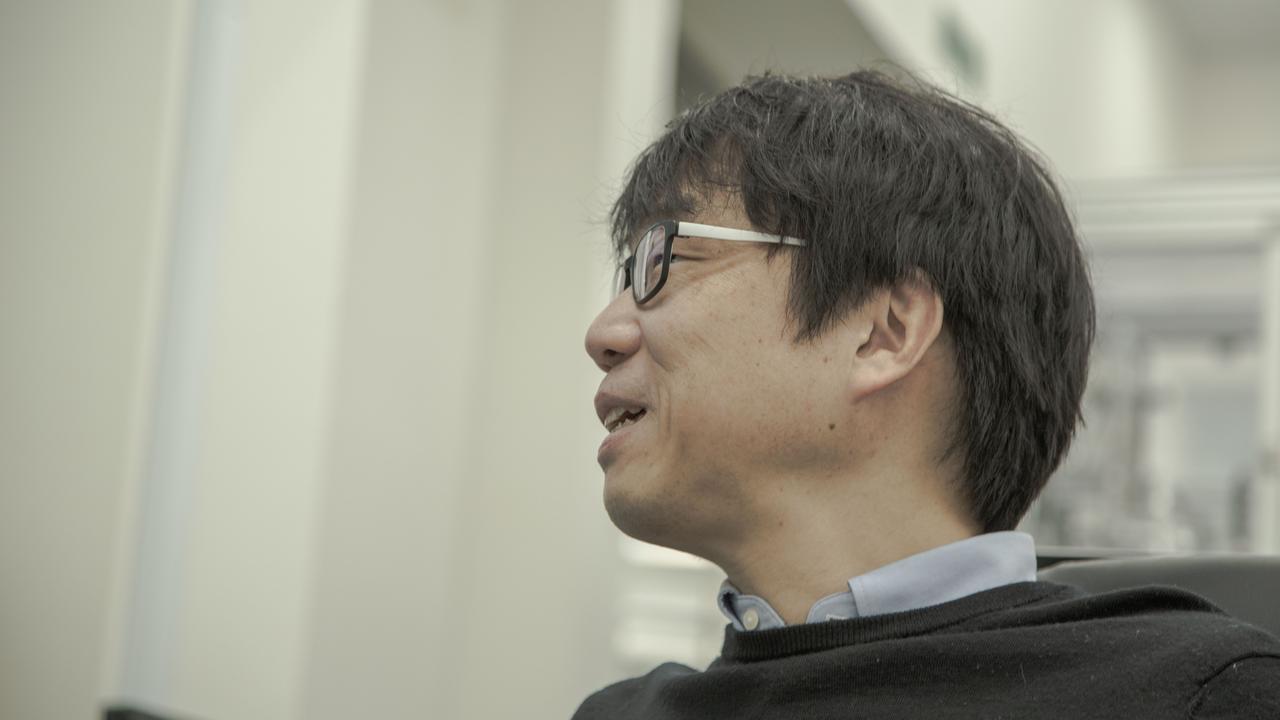
Masatoshi SUGIMASA, Environment and Energy Nexus Innovation Center, Sustainability Innovation R&D, Research & Development Group, Hitachi, Ltd
After joining the company, I continued to work mainly on plating and corrosion research. The knowledge I’d built up also proved applicable to catalyst development, which led me to join the fuel cell catalyst project as it was getting underway. Since then, I’ve remained involved in environmental technologies and related research.
Hydrogen has been a recurring theme throughout my career. After first working on fuel cells, I researched the hydrogen storage system using methylcyclohexane (MCH), which was attracting considerable attention as a hydrogen carrier, in the mid-2010s. Since 2020, I’ve served as the project leader for the hydrogen production system we’ll be discussing.
Expectations for hydrogen driven by decarbonization and fluctuating renewable power
Fujita: In recent years, decarbonization efforts have accelerated in response to global environmental challenges. Japan has also set a goal of achieving net-zero greenhouse gas emissions by 2050. In that context, hydrogen has attracted more and more attention as an alternative to petrochemical fuels—but it’s yet to go into widespread use as an energy source. One reason is that it’s still expensive to produce and requires careful handling. As hydrogen use expands on a larger scale in the years ahead, we’ll also have to think carefully about production approaches. Hydrogen can be produced by water electrolysis, but if the electricity for electrolysis uses petrochemical fuels, the process would end up doing little to reduce greenhouse gas emissions. That obviously creates an increasing need for hydrogen produced using electricity from renewable energy sources (known as green hydrogen*) and technologies capable of reliable, efficient production.
Note: Hydrogen produced from fossil fuels is referred to as “gray hydrogen.” When the CO₂ emitted during hydrogen production is captured and then stored or utilized, it is known as “blue hydrogen.” “Green hydrogen” is produced using renewable energy or other carbon-free electricity sources without emitting CO₂.
Green hydrogen can also help stabilize the output of renewable energy. Power generation from sources like solar and wind fluctuates with weather conditions; the supply doesn’t necessarily match changes in demand one for one. Using surplus electricity to produce green hydrogen through water electrolysis would make it possible to convert excess electricity into hydrogen and store it for later use. Taking advantage of that extra electricity also helps reduce the cost of producing green hydrogen.
Rethinking water electrolysis: Moving beyond the limits of conventional methods (low voltage/high current) to high voltage
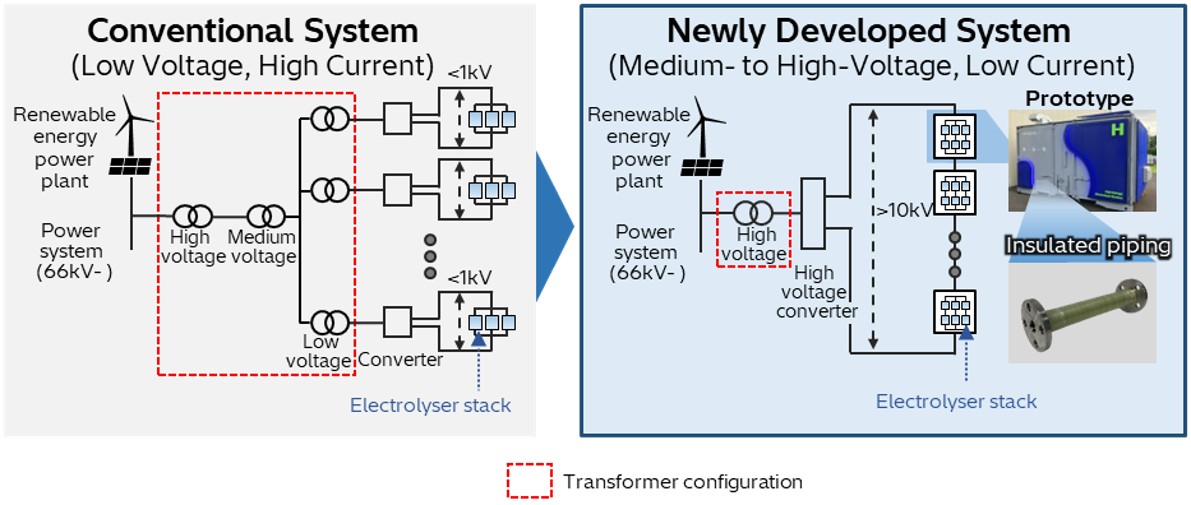
Fujita: At the same time, conventional water electrolysis systems face challenges when it comes to producing hydrogen on the scale that will be needed in the future. Existing systems are fundamentally designed to operate at low voltage and high current. Today, hydrogen production typically involves applying a large current at voltages below 1 kV.
The biggest drawback of that approach is the need to generate low-voltage direct current. Industrial facilities and large residential units are generally connected to high-voltage AC power grids operating at 33 kV or 66 kV. To supply a conventional electrolysis systems, electricity first needs to be stepped down through multiple transformer stages and then converted to DC. Installing and maintaining the necessary equipment adds significant costs, too.
That led us to a simple question: Could we build a water electrolysis system that operates directly at grid voltage? A high-voltage system could be much more compact, and it would also leverage the high-voltage transformer technologies that Hitachi has cultivated over many years. We started by asking ourselves whether it would even be possible to build a compact, high-voltage electrolysis system and as we explored the idea, we found that it actually looked feasible.
Sugimasa: There had been virtually no research anywhere in the world on high-voltage water electrolyser. The primary focus of water electrolysis development had been on increasing current, with roadmaps across the industry operating on the premise of low-voltage operation. An electrolyser performs electrolysis in a “stack” of individual cells, the basic units in which electrolysis takes place. As people began exploring larger systems, however, it became clear that the power converters would also become larger and more expensive.
In other words, our concept of a high-voltage water electrolyser was far outside the mainstream; the idea hadn’t received much attention at all. But as the demand for large-scale hydrogen production systems continued to grow, we revisited the idea. We concluded that it wasn’t just technically feasible—it also had the potential to deliver significant advantages.
Hitachi has a broad portfolio of high-voltage power source products. The idea of combining those products with a water electrolyser was what set this project in motion. Manufacturers of high-voltage equipment and manufacturers of water electrolyser do exist, but they each specialize in their own fields. Due to those specializations, however, they would rarely think of combining those technologies; the engineering cultures are quite different. Even within Hitachi, bringing together people from different technical disciplines is a bit of an undertaking because fields have their own ways of thinking. Doing the same thing across company lines would be even more challenging.
Overcoming the insulation challenge in high-voltage water electrolysis
Fujita: One of the biggest hurdles in realizing a high-voltage water electrolysis system was ensuring reliable insulation for high-voltage operation.
Inside a water electrolyser, there’s more than water and electrolytic solution; there are also gases like hydrogen and oxygen. This creates an electrically challenging environment where electrical conductivity and electrical discharge risk coexist, making it essential to prevent high voltage from causing insulation failure. If hydrogen leaks into the surrounding environment, even a small electrostatic discharge can trigger an explosion. That makes reliable insulation that minimizes electrical conduction and discharge risk indispensable for high-voltage operation. To tackle this challenge, we combined Hitachi’s high-voltage technologies and began developing an insulation solution suitable for high-voltage water electrolysis systems.
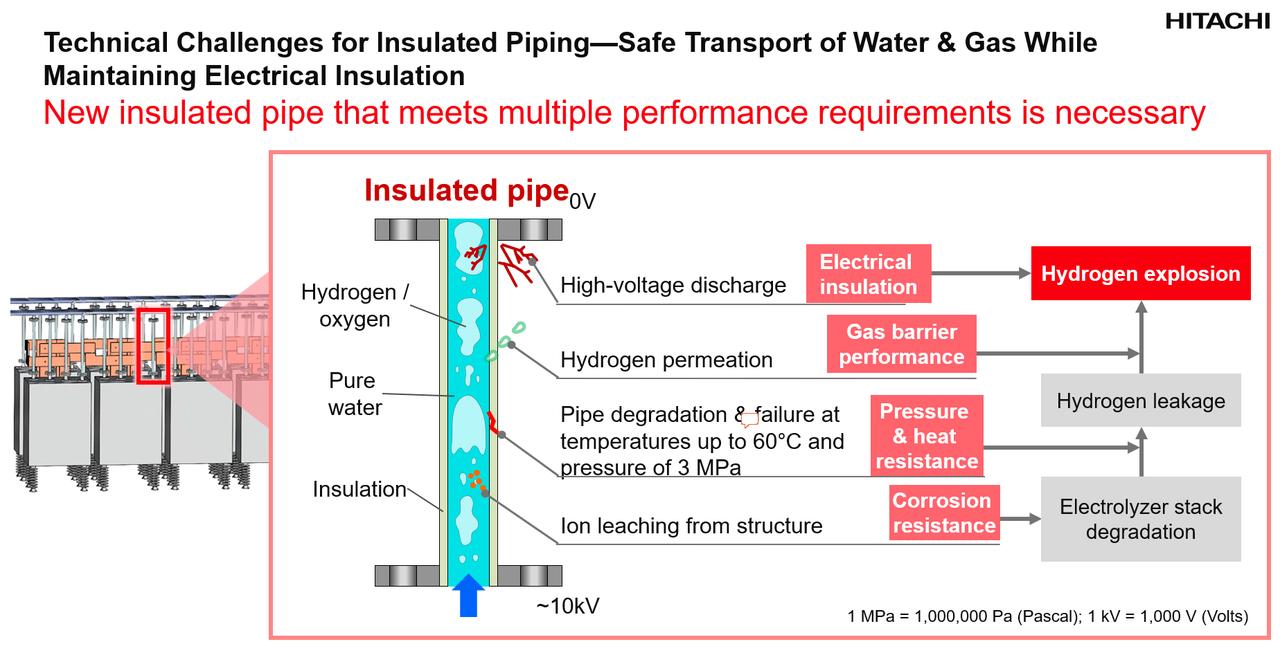
Conventional water electrolysis systems are designed to operate at low voltage. While it’s possible to achieve insulation in low-voltage systems using insulators, grounded structural elements, and other components, an electrolysis system also requires piping. At the time, however, there was no piping available that could provide the insulation required for high-voltage operation. The insulated piping for that kind of application has to satisfy five key requirements: electrical insulation, gas barrier properties to prevent hydrogen leakage, heat resistance, pressure resistance, and resistance to corrosion caused by impurities.
PTFE (polytetrafluoroethylene), a commonly used fluoropolymer, lacks sufficient pressure resistance and provides only limited gas barrier performance. Ceramic piping, on the other hand, delivers excellent insulation and gas barrier properties but suffers from corrosion issues caused by leaching at the joints. We simply could not find a single material capable of satisfying all the requirements for a high-voltage water electrolysis system.
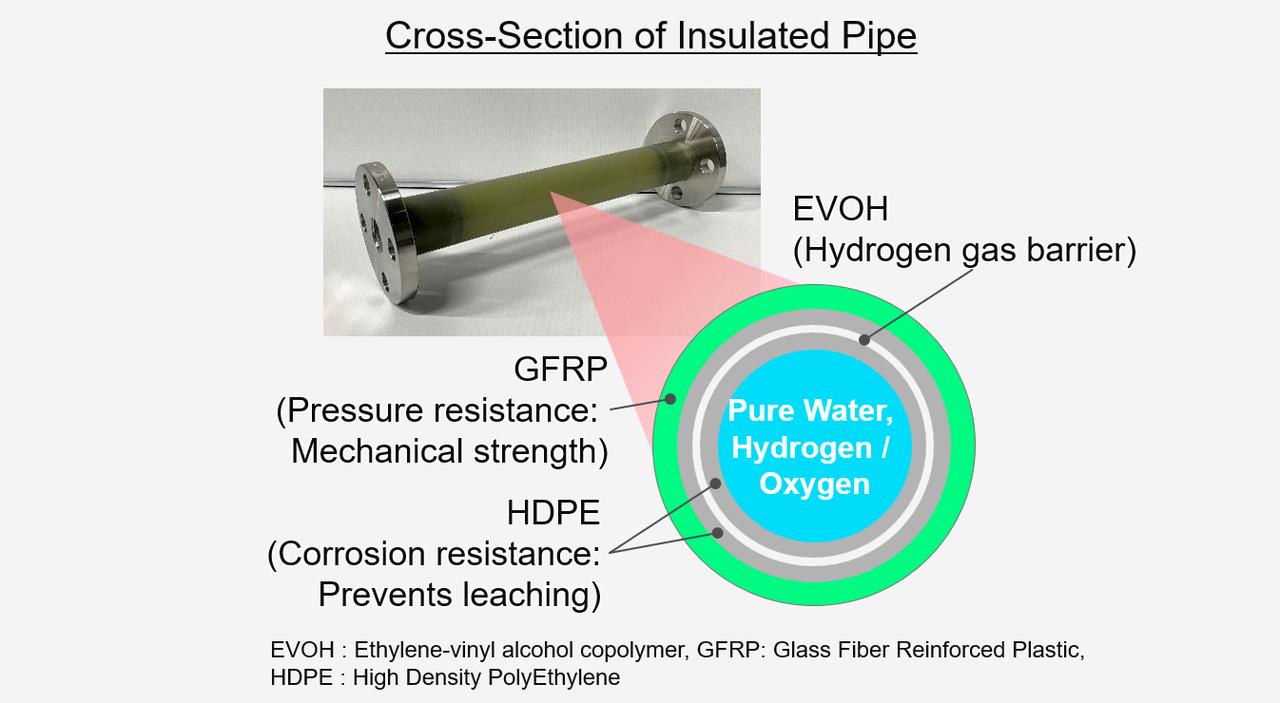
What we did, then, was apply the insulation technologies we had developed over the years and design a single insulated pipe by assigning different functions to multiple polymer materials. Developing a high-voltage insulated pipe from a single material would’ve required starting with fundamental materials research, creating the risk of a lengthy development process. Instead, we chose to combine existing materials to achieve the required performance.
Demonstrating the performance of a composite insulated pipe
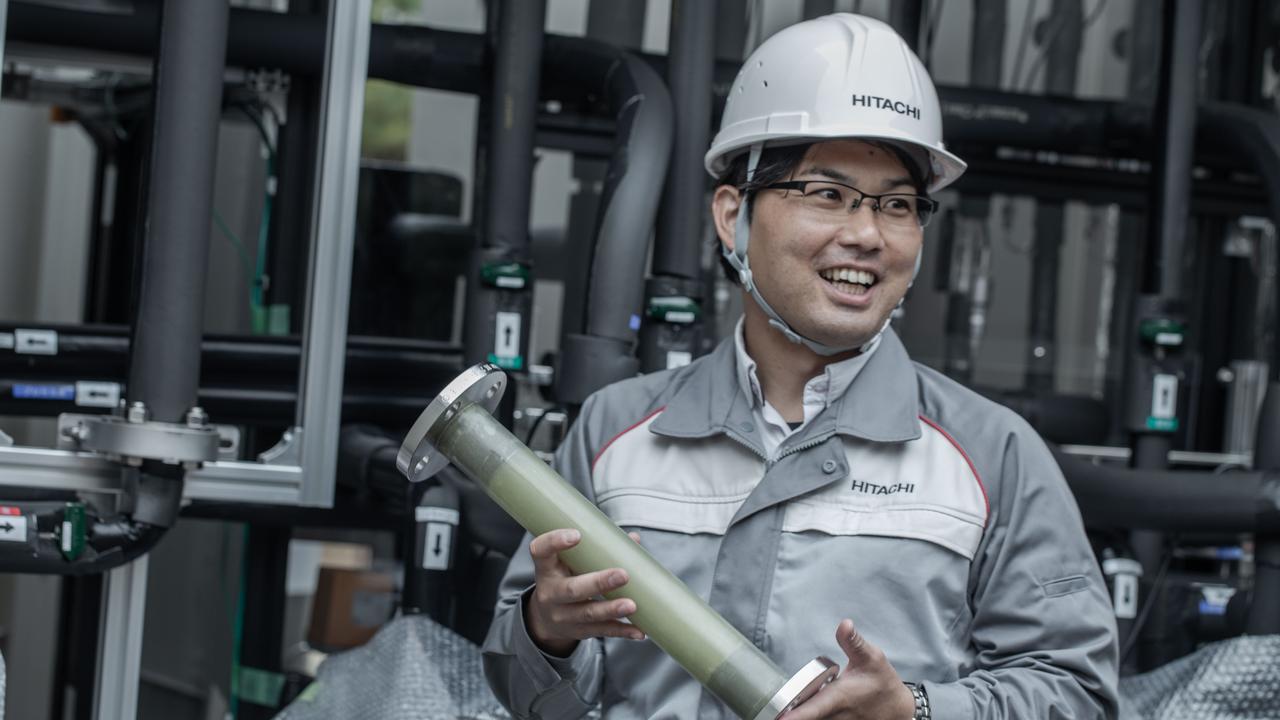
Fujita: Specifically, we combined EVOH (ethylene-vinyl alcohol copolymer), which provides excellent gas barrier properties; GFRP (glass fiber-reinforced plastic), which offers outstanding pressure resistance; and HDPE (high-density polyethylene), which has excellent corrosion resistance. By integrating these materials, we produced a single insulated pipe that met all the performance criteria. We then evaluated the pipe under actual hydrogen-flow conditions and a high voltage of 10 kV. The results confirmed that the pipe maintained its pressure resistance, heat resistance, and gas barrier performance, with leakage current remaining stable over time and demonstrating no measurable increase. We’d succeeded in achieving reliable electrical insulation.
Since we were aiming to prove that a high-voltage water electrolysis system could operate in a safe, reliable way, we had to develop this kind of insulated piping technology.
Sugimasa: Our achievement describing the concept behind the insulated piping ended up appearing in the newspaper. But we didn’t want it to end with “We’ve developed insulated piping” and “Wow! Amazing!” The real challenge was demonstrating that the pipe could maintain insulation in an actual water electrolysis environment, with hydrogen and water flowing through the piping and gas-liquid mixtures present inside the system, even while high voltage was applied. Without that proof, the technology would have little practical value. Thanks to Fujita’s steady work, we developed a technology that might not appear spectacular at first glance but was exceptionally difficult to achieve.
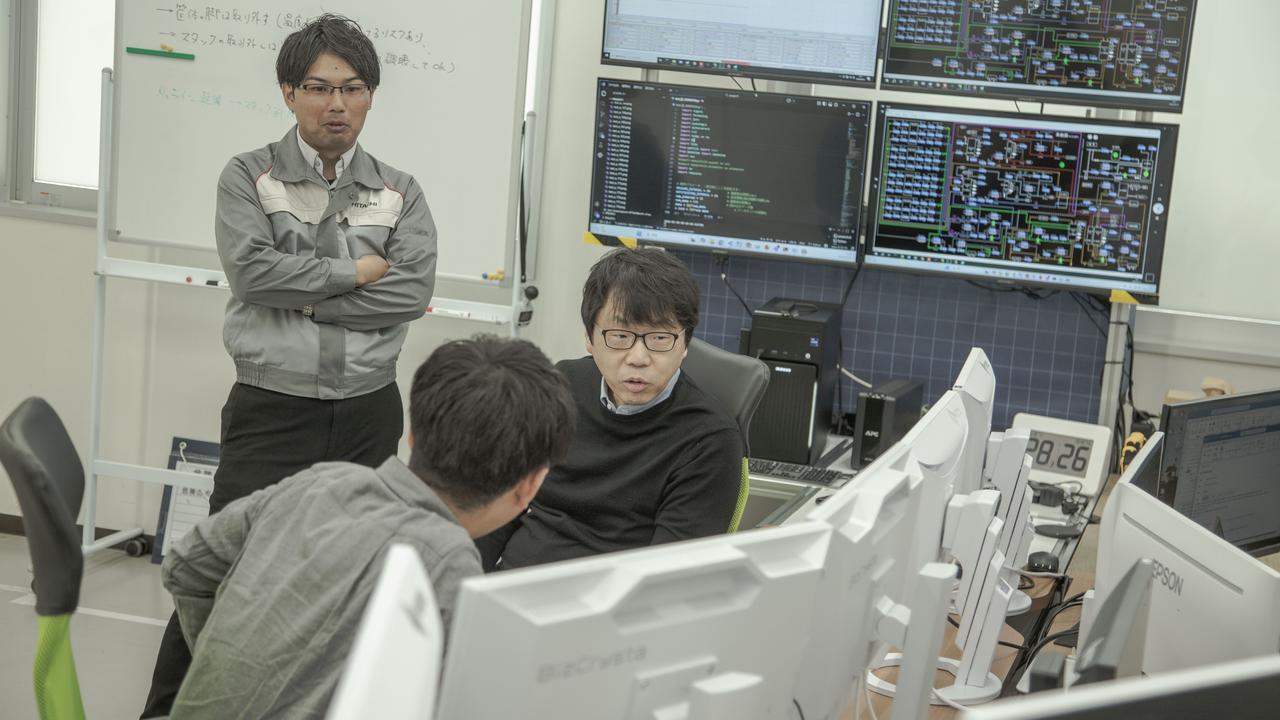
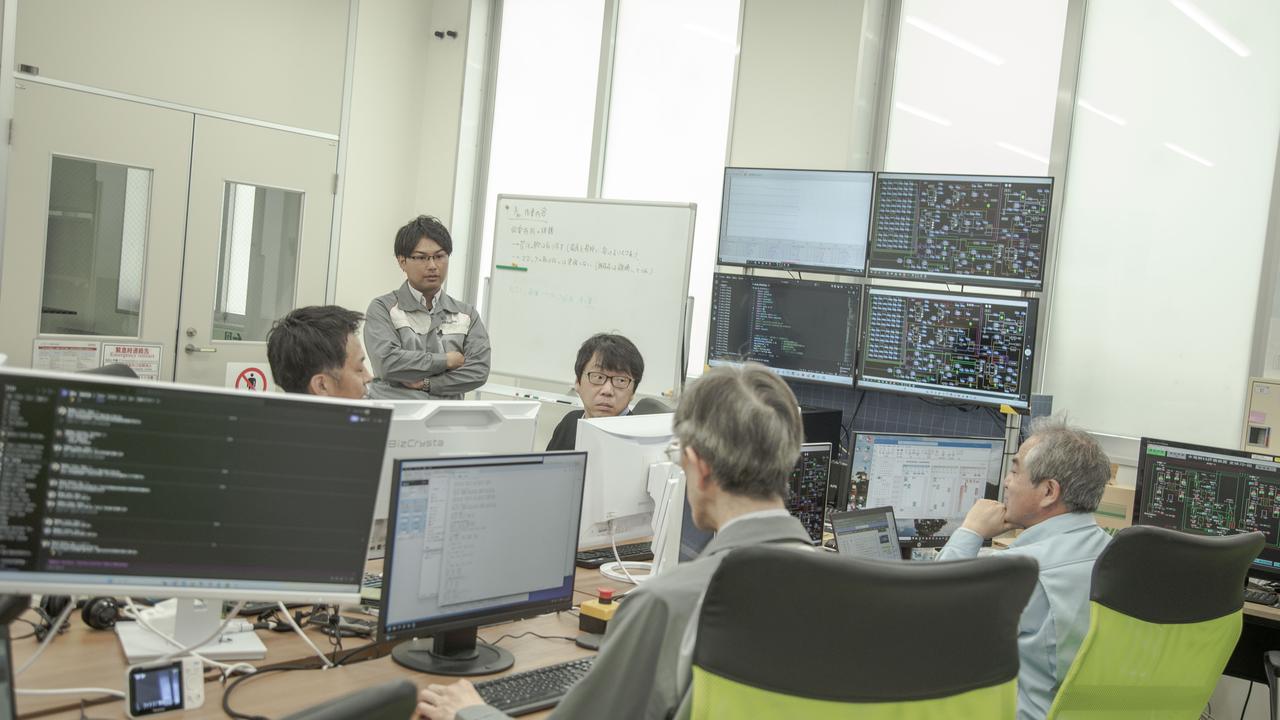
Fujita: Water electrolysis systems inherently involve safety risks, so just reaching a stage where we could perform component-level testing was a big challenge. To ensure that we’d be able to conduct every experiment safely, I repeatedly consulted specialists we knew throughout the company, asking questions like, “I’d like to carry out this experiment—have we addressed all the safety concerns?” It was all about that careful, step-by-step process, really. The research ultimately drew on expertise from not only our own team but also researchers across the company. That broad collaboration was a major factor behind this achievement. Thanks, everyone [laughs].
The stress and satisfaction of conducting high-risk tests
Fujita: Although we succeeded in developing the insulated piping by combining multiple materials, we weren’t materials scientists to begin with, so the project presented plenty of challenges. We began with an extensive literature review and worked closely with materials specialists throughout the development process. At first, we asked them to identify a single material that could satisfy all of our requirements, but it soon became clear that such a material didn’t exist. That’s why we shifted to combining multiple materials, as I mentioned earlier.
Even then, there were lots of technical hurdles. For example, it was a challenge to bond HDPE, which offers excellent corrosion resistance, to GFRP, which provides outstanding pressure resistance. We also had to address the risk that internal pressure could cause the piping to expand, placing excessive stress on the joints and potentially causing them to fail. Working with colleagues who had the expertise we needed, we evaluated different bonding methods and mechanical designs until we identified a structure that met our requirements.
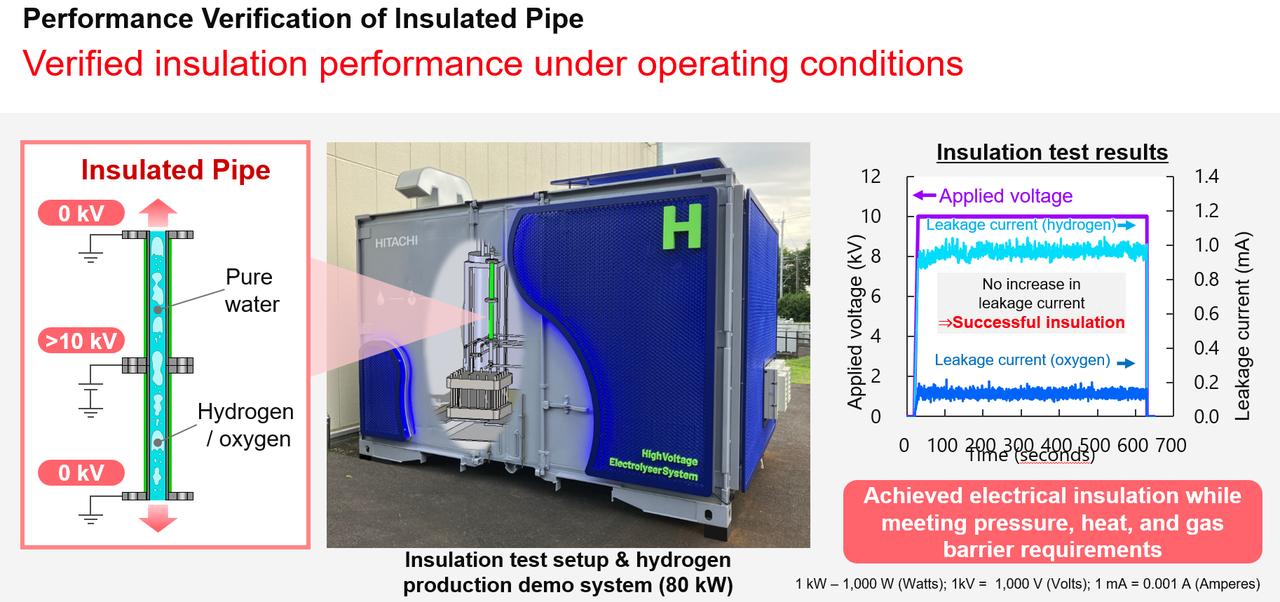
The project might’ve taken me outside my specialty, but I’ve genuinely enjoyed the experience. Throughout my career, from superconductivity and transformers to MRI systems, I’ve always had opportunities to discover new technologies and gain new knowledge. Developing technologies for high-voltage water electrolysis has been another rewarding challenge. At the same time, testing a water electrolysis system with 10 kV applied to the piping is inherently risky. If something were to go wrong, it could potentially trigger a hydrogen ignition or explosion. Therefore, we only proceed with testing once we’re fully confident that the experiment will succeed—but even so, I couldn’t sleep at all the night before a test. When everything performed as expected, I felt a tremendous sense of accomplishment after all those years of work and, to be honest, an enormous sense of relief.
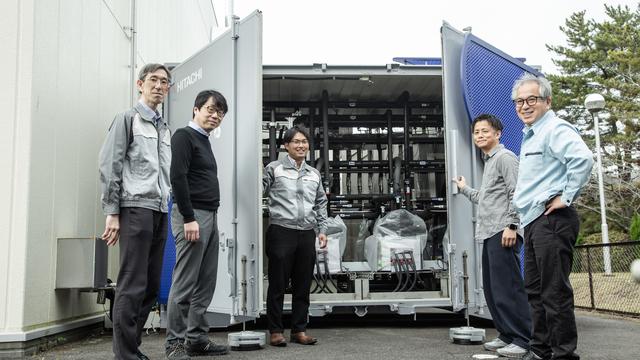
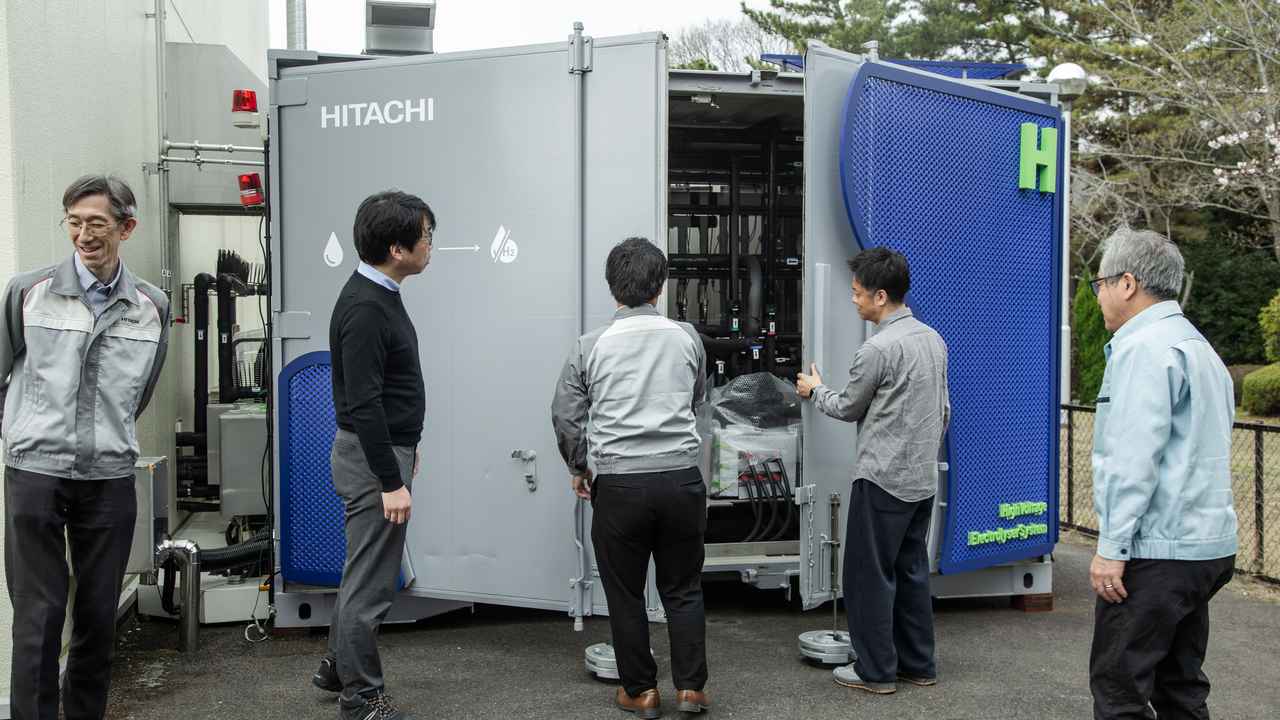
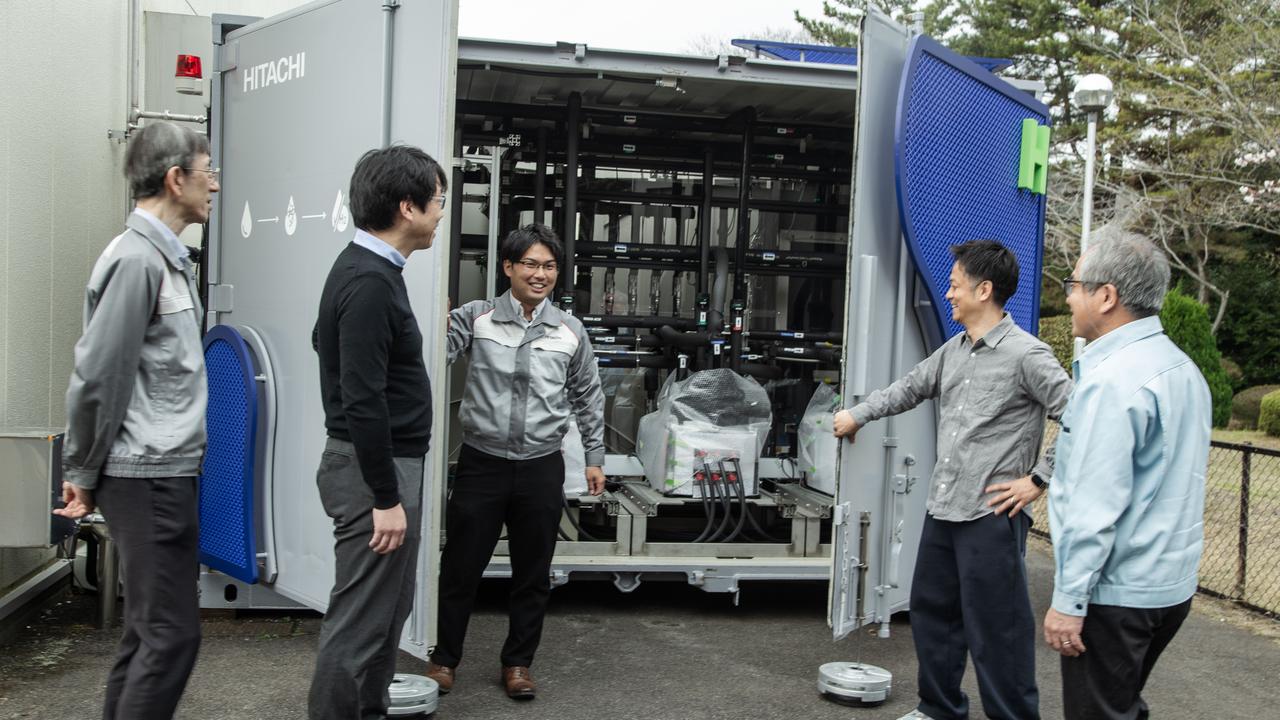
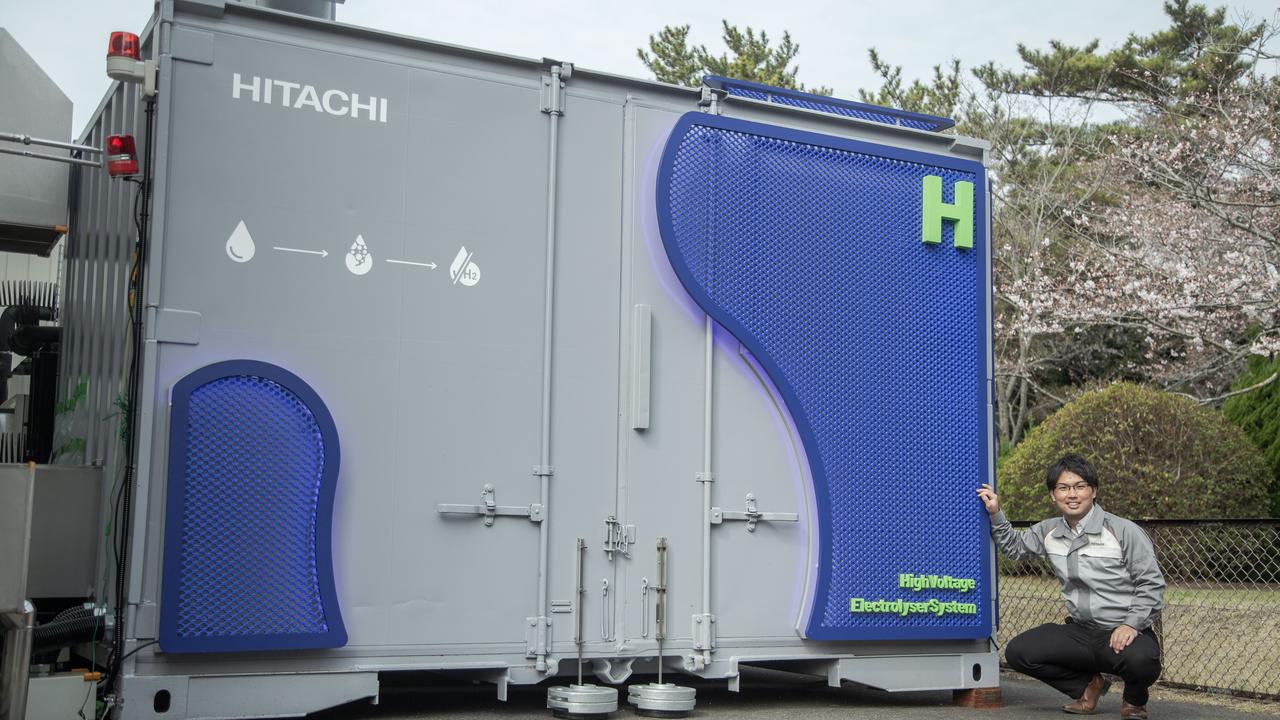
Sugimasa: I was thrilled that everything worked out. Fujita also played a key role in building the demonstration system we used for the insulation tests. Constructing the container that houses the water electrolysis system isn’t something a research laboratory would normally undertake, but he brought together researchers from across the organization and overcame numerous challenges to make these high-risk tests possible. To me, this achievement was a culmination of Hitachi’s hydrogen research.
Opening up new possibilities with high-voltage water electrolysis
Fujita: The development of the insulated piping has moved the project another step forward. Our next goal is to operate the water electrolysis stack at high voltage and demonstrate the feasibility of hydrogen production under those conditions. If we can show that a high-voltage hydrogen production system operates safely and reliably, we’ll be able to offer customers a new option for hydrogen production. As deployment of 100 MW-class hydrogen production systems expands from 2030 onward, I believe this technology can help accelerate the adoption of hydrogen and ultimately contribute to achieving net-zero emissions by 2050.
Sugimasa: As a development project, we’ve made tremendous progress to reach this point. Looking ahead, we’d like to go beyond the boundaries of our research laboratory, and even beyond Hitachi itself, to collaborate with a wide range of partners and companies in realizing 100 MW-class hydrogen production systems. I believe that developing water electrolysis systems that are easy for customers to deploy and operate will both benefit society and take Hitachi’s business endeavors to new places.
From our perspective, high-voltage water electrolysis is a highly practical and achievable concept. For this project, we integrated commercially available water electrolysis stacks into a containerized hydrogen production system and demonstrated that the required insulation environment could be achieved. By carrying out the development ourselves, we’ve shown both inside and outside the company that high-voltage water electrolysis is far more than just a concept—it’s a realistic technology with genuine potential.
Shinji FUJITA
Chief Researcher
Hydrogen Value Chain Project, Next Research
Research & Development Group, Hitachi, Ltd.
Pioneering the unknown: The researcher spirit
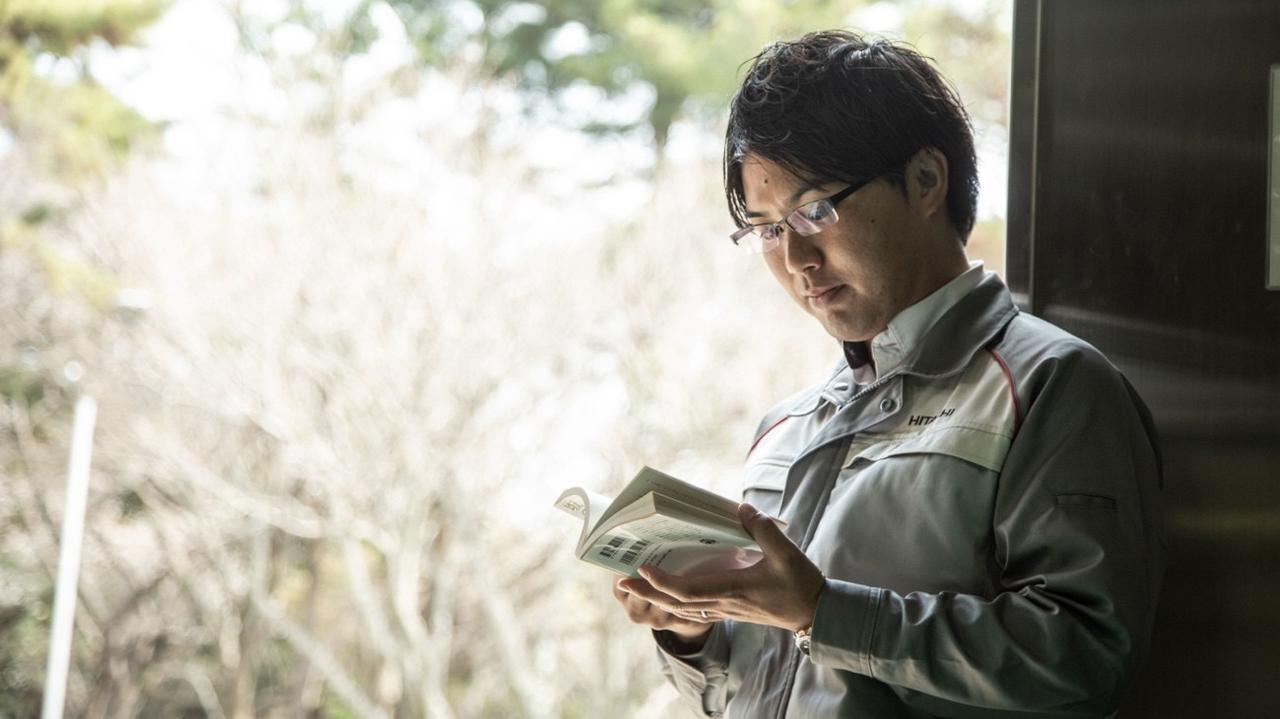
I recommend Clouds Above the Hill by Ryotaro Shiba (Bunshun Bunko). Set during Japan’s rapid modernization following the Meiji Restoration, the novel follows three ambitious dreamers who believe in the “clouds above the hill” as a symbol of the future. It portrays the Akiyama brothers, Yoshifuru and Saneyuki, who played key roles in the Russo-Japanese War, as well as the poet Masaoka Shiki, who devoted his life to reforming haiku. What has always impressed me is the way they continued learning as they ventured into an unknown future. To me, that spirit aligns with how researchers strive to develop technologies that have never existed. It’s a long novel; I first tried to read it as a student but never finished it. After joining Hitachi, however, a senior colleague recommended it to me, and that motivated me to read it the whole way through.
Masatoshi SUGIMASA
Chief Researcher, Environment and Energy Nexus Innovation Center, Sustainability Innovation R&D
Research & Development Group, Hitachi, Ltd
A book that opened my eyes to the world’s many perspectives
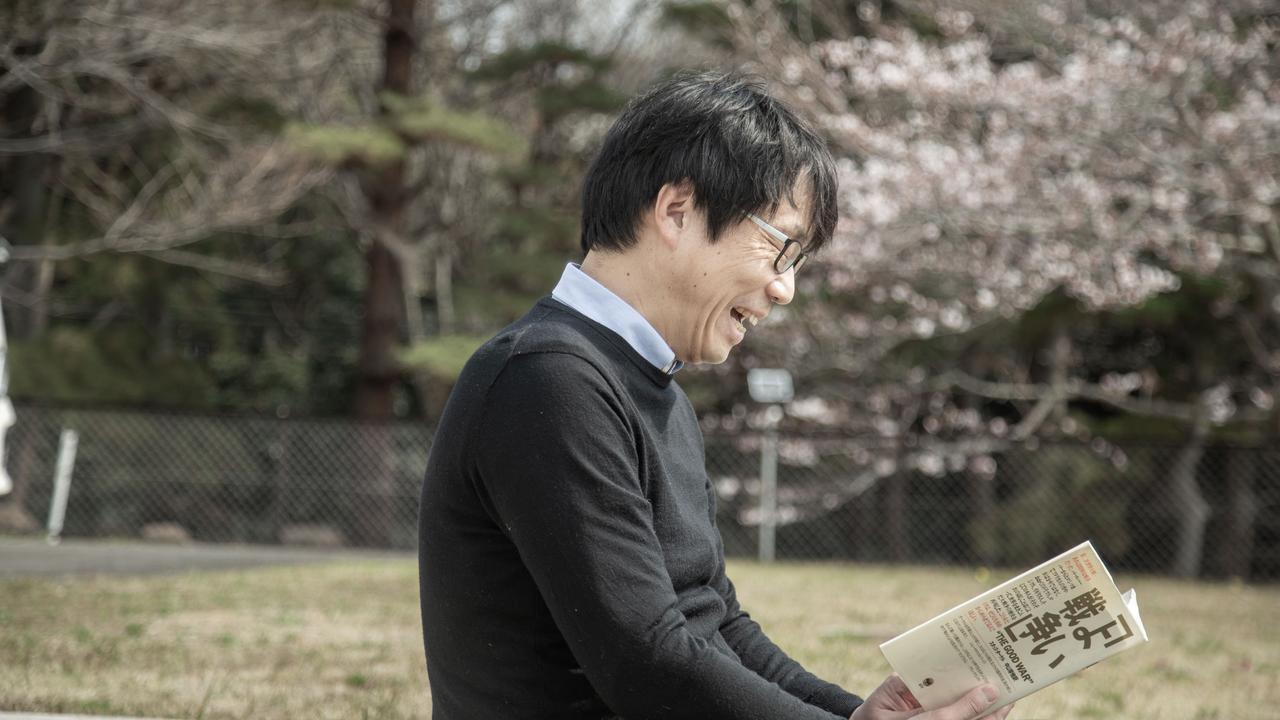
I’m a big fan of science fiction and fantasy, but the book I’d like to recommend here is The Good War by American journalist Studs Terkel (The New Press). The book is a collection of interviews about the Second World War with people from different backgrounds and walks of life. It’s such a thick book that you’ll hardly want to carry it around, but it offers powerful, thought-provoking insight into what goes into shaping society. When I read it more than thirty years ago as a junior high school student, I remember being floored. I still return to it from time to time, and I hope young people have the opportunity to read it while they’re still in their teens and learn more about the world.
(Photo by Kiyono Hattori)