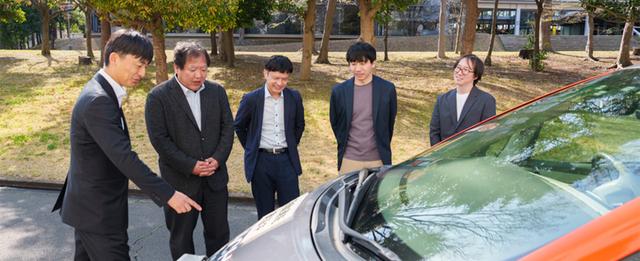
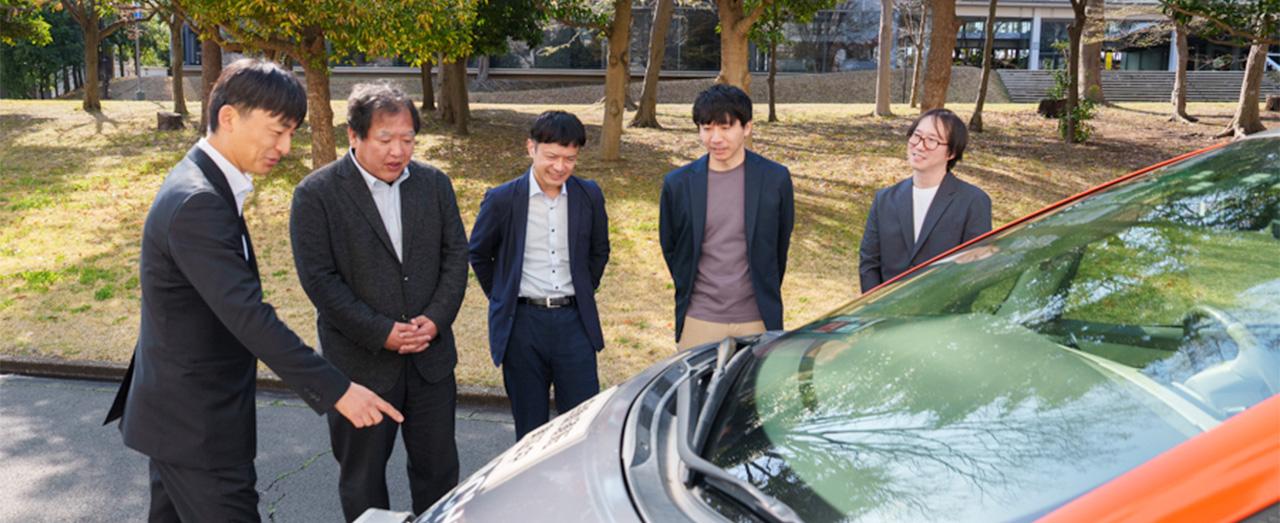
What kind of challenges lie ahead to achieve autonomous driving? And how should we overcome them? Manabu Omae, a professor at Keio University's Faculty of Environment and Information Studies, and Naohisa Hashimoto, Director of Research Planning Office, Department of Information and Human Factors, the National Institute of Advanced Industrial Science and Technology (AIST), both of whom are actively working on projects for the research and development and the commercialization of autonomous driving technologies, joined Hitachi’s researchers engaged in research and development in the mobility sector for discussions from their various standpoints.
What is required to advance the real-world deployment of autonomous driving?
Hasejima: There have been high expectations that autonomous driving technology would become commercially available. However, despite technological advancements, the road to its real-world deployment is still long as social problems such as driver shortages and aging populations in local communities are steadily worsening. What kind of hurdles do we face in bringing autonomous driving into society?
Omae: In Japan, we define six driving automation levels based on the Society of Automotive Engineers International (SAE) standard. From the technical viewpoint, we believed it would be relatively easy to achieve autonomous driving up to Level 4 (high driving automation under specific conditions such as within limited areas) by restricting the driving area. This raised expectations for autonomous driving as a mobility service in sparsely populated areas and other regions, but repeated pilot studies have revealed the economic sustainability challenges the mobility service faces.
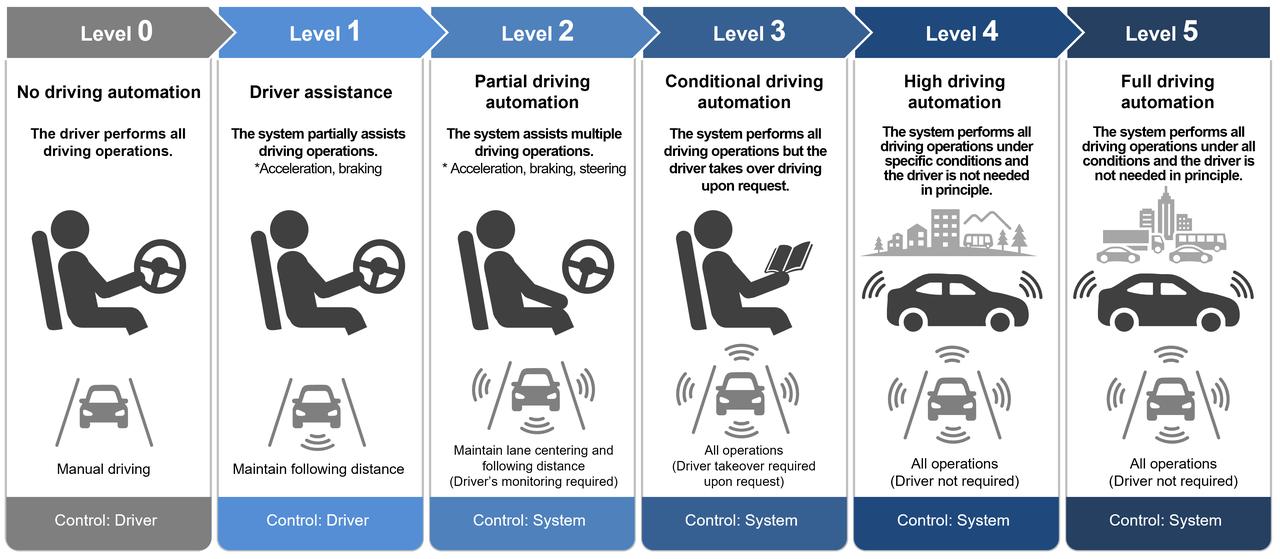
Autonomous driving is classified from 0 to 5 according to the technical level, and systems up to Level 4 have been approved for operations in certain areas (according to a document compiled by the Ministry of Land, Infrastructure, Transport and Tourism).
In reality, physically active people who want to get around can already do so using various means of transportation. Even if an autonomous driving system becomes available to such people, only a few users would choose to switch from conventional means to the new system. Surprisingly few people find themselves unable to get around despite wanting to. When people become too frail to get around, their desire to travel diminishes, making it unlikely that they will use autonomous vehicles even if they are available. In addition, instead of going to the hospital in an autonomous vehicle, it seems they would much rather receive remote medical care or the like, as this removes the need to travel. It seems that our initial assumptions concerning the volume of demand for autonomous driving relative to the costs have begun to waver.
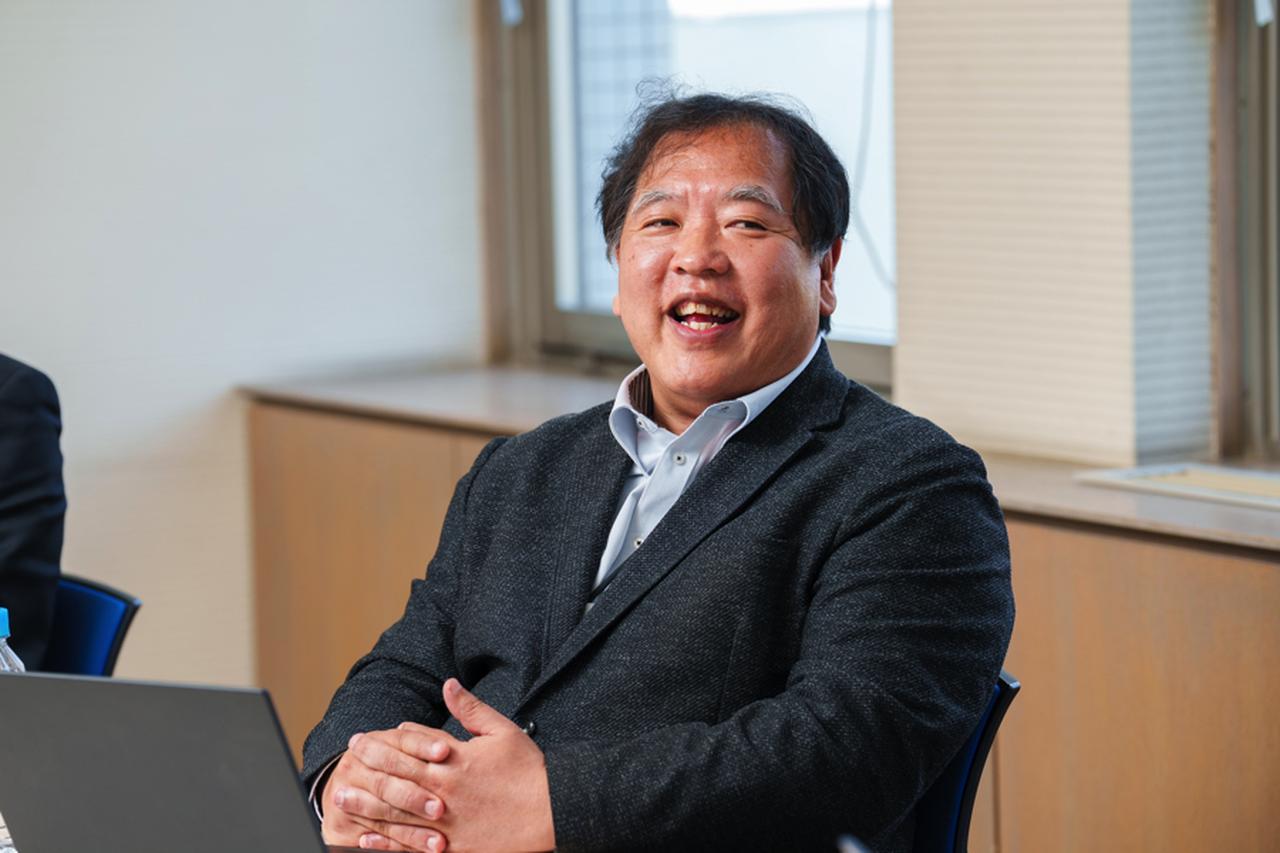
Manabu Omae talking about the unexpected reality affecting the mobility-impaired, which has become apparent through the pilot tests
Hashimoto: Cost structure is a major issue for the mobility service. It was previously thought that autonomous driving would eliminate the necessity of hiring drivers, but actually other roles for which the driver is responsible, such as safety management, still remain. As a result, it has become apparent that if things remain as they are, labor costs will decrease only slightly and transportation companies will experience only limited benefits from automation. The system is expected to be widely adopted in areas with profit potential, particularly in urban areas where robotaxies add the most value, but in depopulated areas it will be difficult to sustain the service without government support. I feel we are now entering a stage in which business feasibility rather than technical feasibility is called into question.
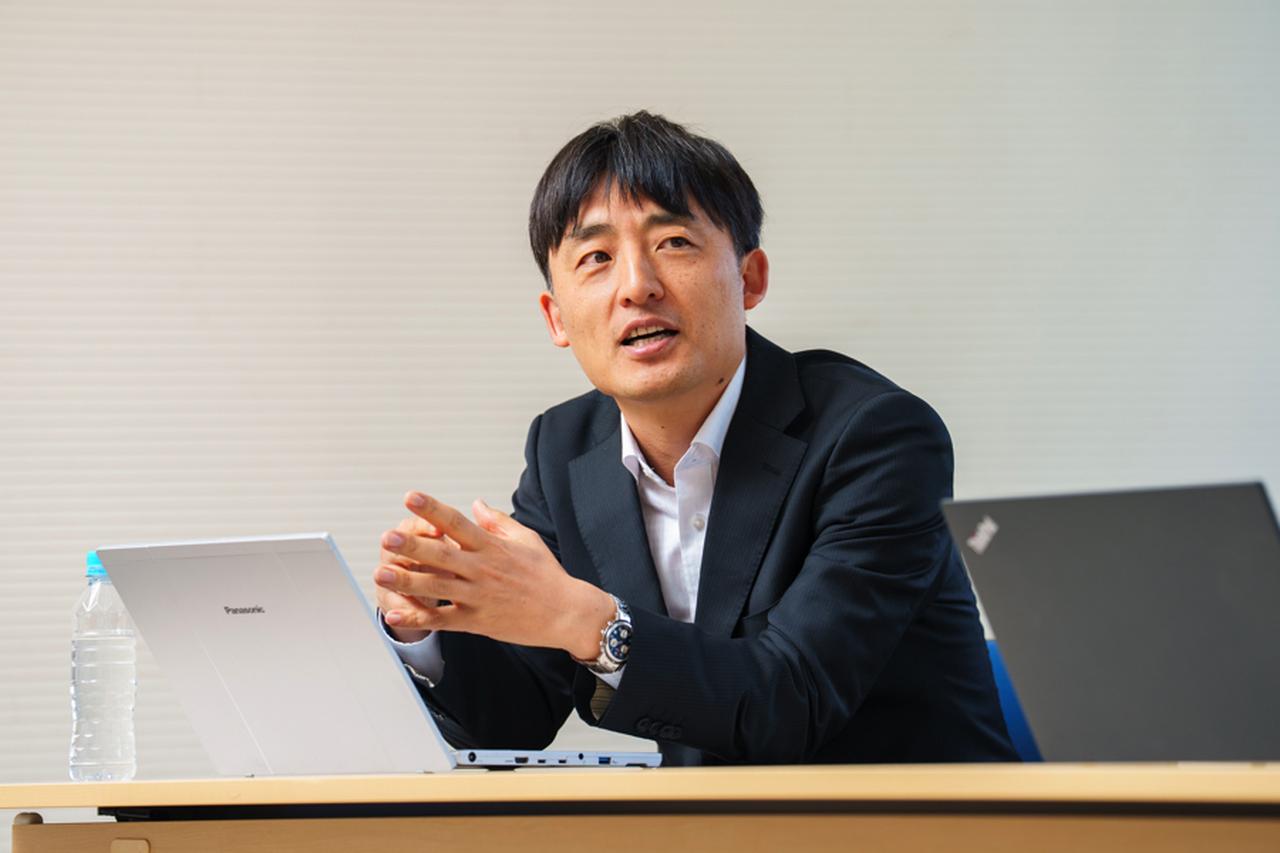
Naohisa Hashimoto explaining the cost challenges facing the commercialization of autonomous driving
Leveraging autonomous driving technologies as social infrastructure
Hasejima: In view of the debate about the difficulties of commercialization, what direction should we take in adopting autonomous driving technologies in society?
Ogata: Through its many years of contributions to electric power systems and other social infrastructure, Hitachi has been accumulating expertise in control systems that collect and integrate information from various types of equipment to optimize control of the entire system. We believe that the concept of the control system can be applied to the autonomous driving sector. Self-driving cars are equipped with high-performance sensors capable of acquiring highly accurate data. By utilizing these data for applications other than mobility control in a cross-sectoral manner, we expect to create new value. We can establish a system where multiple sectors share costs to sustain mobility services, even for business models that would struggle to remain viable solely through autonomous driving. For example, we can do this by using data for city surveillance, detecting infrastructure abnormalities, identifying signs of equipment failure and deterioration, and other areas.
Omae: I also believe that a mobility system serving as a data collection platform has great potential. At the same time, overall design will be essential to realize such a system, including building communication and processing frameworks for addressing how to handle enormous amounts of data.
Hashimoto: Since overseas companies might take control of the data platform, I think that how Japan will keep the initiative is also an important issue. In addition, we need to adopt a perspective that extends beyond autonomous driving to incorporate data from vehicles currently in operation.
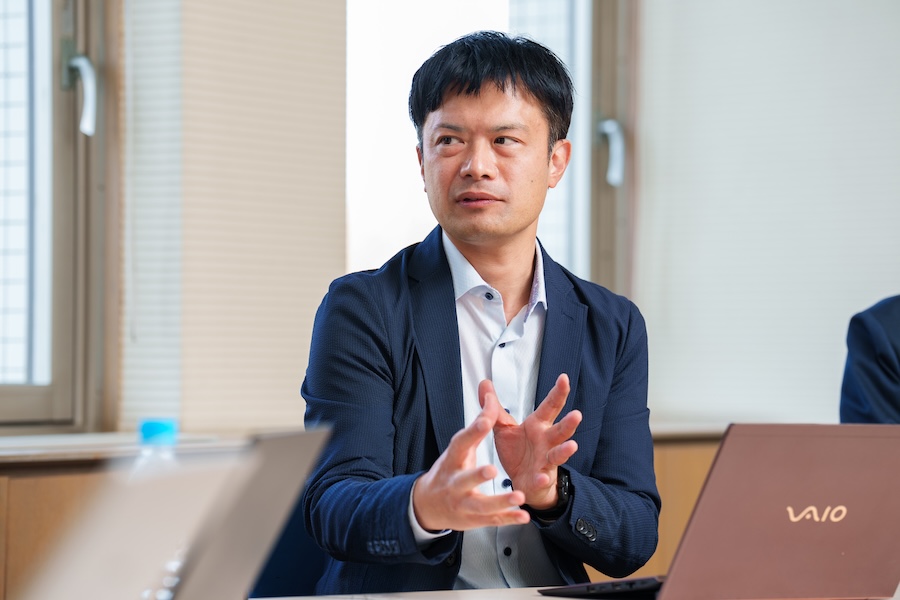
Takehito Ogata talking about applying Hitachi’s expertise in control systems to autonomous driving technologies
How to manage infrastructure and vehicles
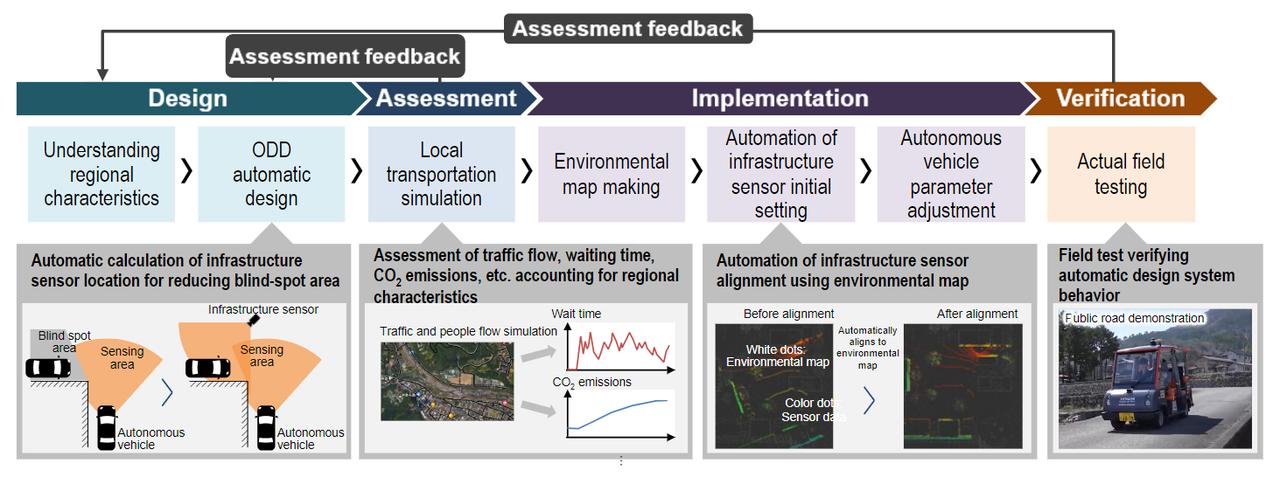
Hasejima: Hitachi has been working on a project to realize a smart city in collaboration with Hitachi City, which is called the Next-Generation Future City Co-Creation Project. One of the key pillars of the project is smart mobility. The project aims to address chronic traffic congestion and improve accessibility in transportation deserts where little or no public transportation is available. Leveraging autonomous driving technologies and simulations based on people-flow data, Hitachi is conducting research to improve and optimize the overall transportation network. As part of this research, we conducted a demonstration experiment by installing cameras and sensors on roadsides (infrastructure) and provided information to an autonomous vehicle to assist its safe operation. What are the key challenges associated with roadside infrastructure sensors that provide vehicles with traffic conditions and hazard information?
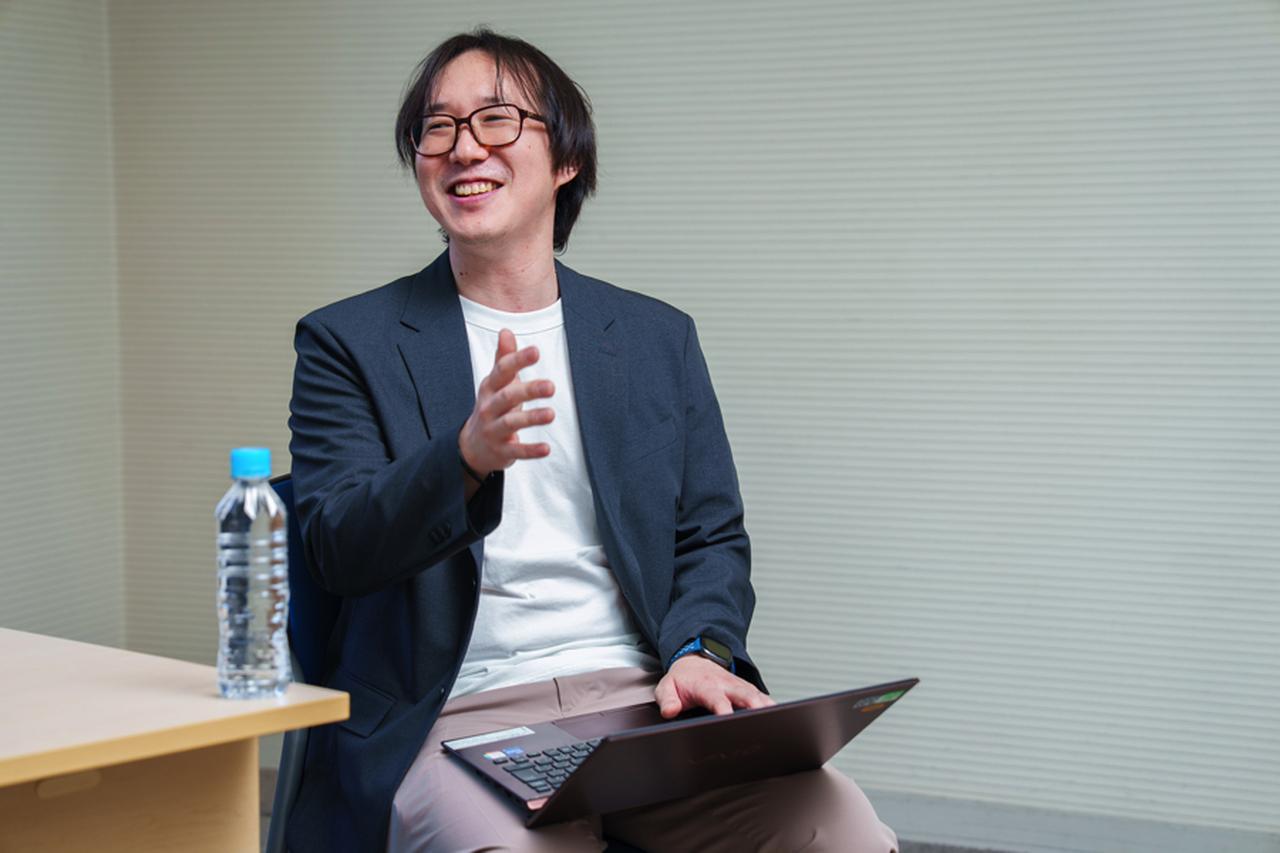
Noriyasu Hasejima raising infrastructural issues from his experience in the co-creation project with Hitachi City
Sasatani: I have so far been engaged in research into detecting abnormal behaviors from surveillance camera footage. When applying this technology to autonomous driving, I have found that detecting abnormalities requires a different accuracy level. For example, to accurately and reliably identify targets in blind spots demands a higher level of responsibility. I feel this is a significant challenge.
Omae: Although infrastructure is a useful means of support for autonomous driving, improving the accuracy is not easy. For example, when we try to monitor a wide area using a limited number of sensors, the recognition accuracy and object type identification drop substantially at longer ranges. Even a slight misalignment of the sensor can result in a one-lane deviation over a 100-meter distance.
In addition, with operation by unmanned driving in mind, the infrastructure needs to be incorporated into the system. Therefore, a failure in one part of the infrastructure can cause the entire operation to stall instantly. Furthermore, since the jurisdiction and the operator often differ between the vehicle and the infrastructure, for example, infrastructure maintenance—scheduled power outages for routine inspections or equipment replacement—directly impacts vehicle schedules. In the case of manned driving, a human can take supplemental actions on the spot without causing a significant problem, but with unmanned driving, such flexible responses are difficult. This means that in the future we will need an operational framework that can manage the infrastructure and vehicles in an integrated manner or at least allows them to work closely with each other.
Ogata: I think that’s a very important point. It is also difficult in practice for a single company to handle both vehicles and a system. I believe we need a framework for co-creation among multiple companies and a common platform for consolidating data. This is exactly how we can create a sustainable system: by developing it not only for autonomous driving but also as community-wide infrastructure.
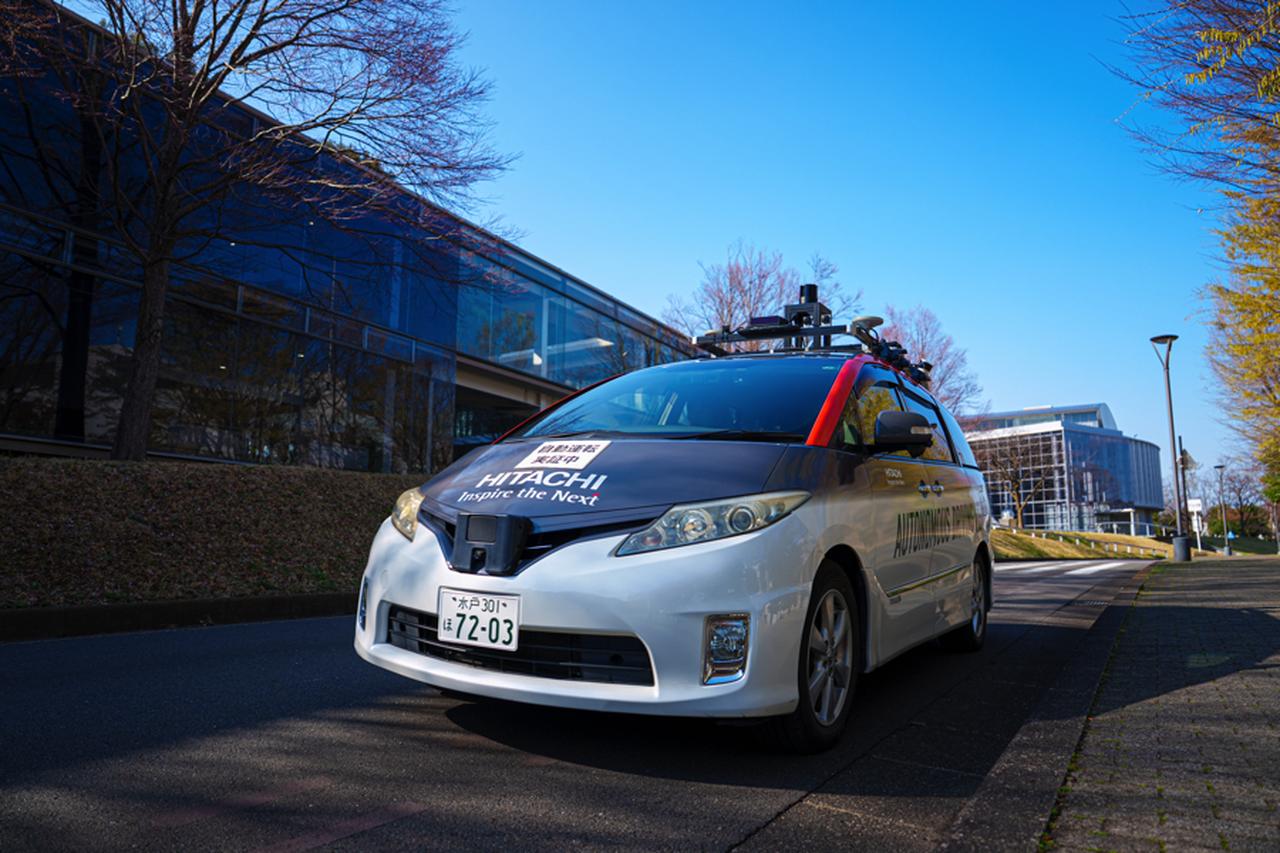
The field test was conducted on the self-driving bus route in Keio University’s Shonan Fujisawa Campus. We verified the effectiveness of operational control using generative AI.
Concept of operation control supporting a transportation system
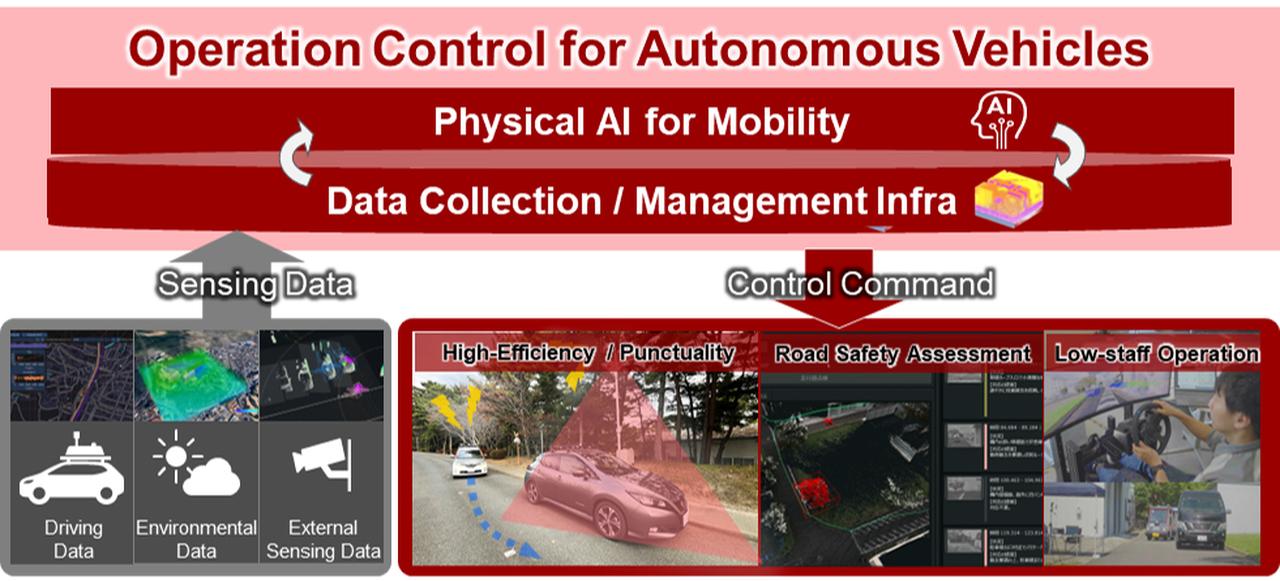
Hasejima: Currently, we are seeking to develop an operation control system that collects field data from infrastructure sensors and other equipment and feeds it back to autonomous vehicles to optimize traffic flow across the entire transportation network.
Sasatani: We are advancing the field test at Shonan Fujisawa Campus by focusing on optimizing operation control. We monitor the overall traffic status, including multiple self-driving vehicles and conventional vehicles, rather than focusing on individual vehicles. We are now working on three major domains.
The first one is service schedule management. Based on the assumption that there is local public transportation, we are studying operational adjustment for ensuring punctuality by leveraging the expertise Hitachi has cultivated in its infrastructure business.
The second is a pre-run environment assessment. Since autonomous driving can come to a stop even with slight changes in the driving environment, we acquire data from the travel route in advance to detect and visualize factors influencing operations such as a worn white line and an obstacle on the road. We also utilize generative AI to develop a mechanism that verbalizes abnormalities so that anyone can understand them.
The third domain is the enhancement of remote monitoring. Safety control and monitoring are indispensable even for unmanned systems, but the operation is very difficult if one person is needed to monitor each vehicle. To make it possible to efficiently grasp the situation of multiple vehicles, technical development is underway to consolidate and verbalize video and sensor data, supporting operations with minimal staffing.
In this field test, we focused on verifying automatic schedule adjustment and prior data collection by making use of the environment of Keio University’s SFC. From the actual run of the test vehicle, we found that several factors have an impact, including road obstructions such as parked cars. The key point is how to grasp these factors in advance and incorporate them into operations without disrupting the schedule.
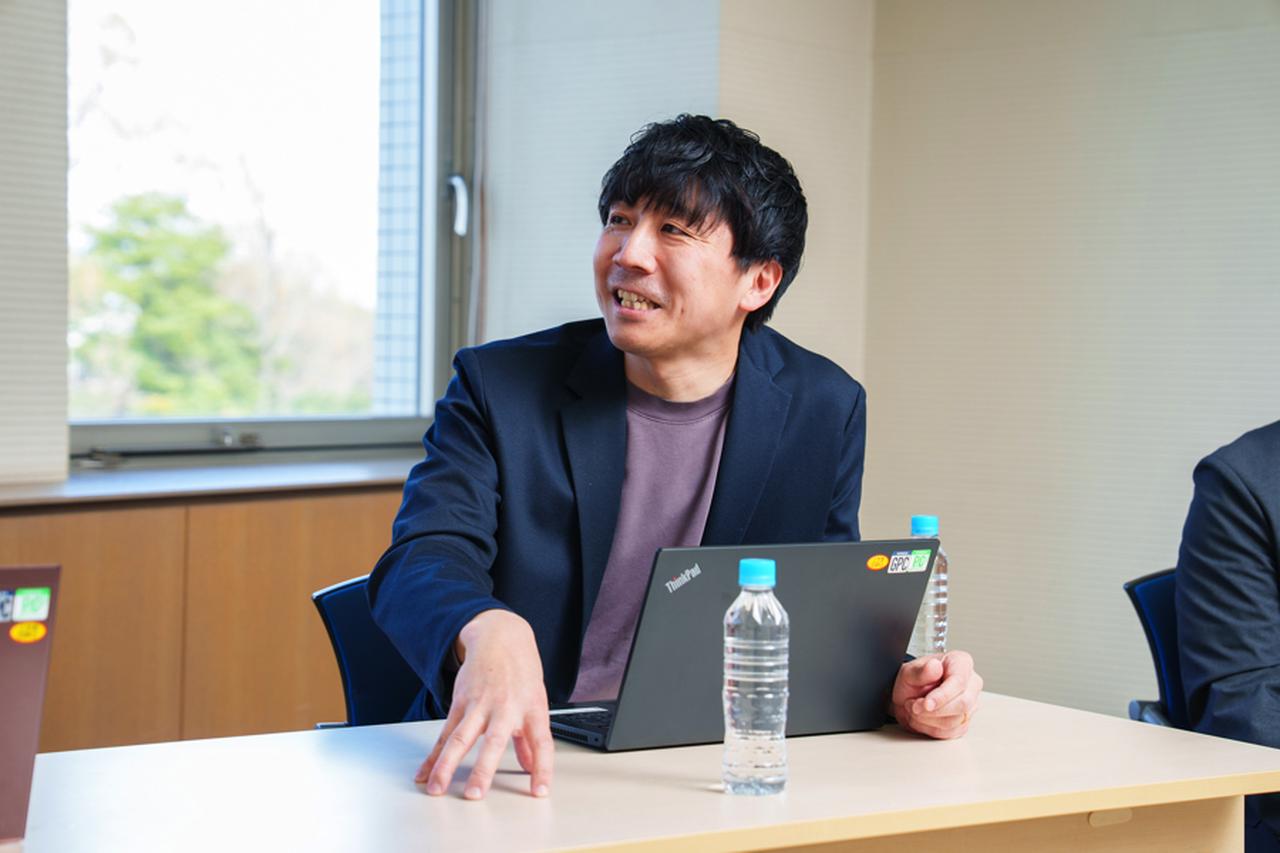
So Sasatani providing an overview of research on a control system from three viewpoints: schedule management, data acquisition from a preliminary run, and remote monitoring
Expanding the possibilities of operation control
Omae: Remote monitoring using vision language models (VLMs) is being tested in different contexts, and I look forward to seeing how they offer novel approaches. What concerns me more is that current research on autonomous driving is no more than an extension of human driving capabilities. It is as if they are just replicating experienced human drivers, but because it is a machine, it should be capable of behaving in a way that achieves system-wide optimization.
There used to be a technology called Intelligent Speed Adaptation (ISA). This is a mechanism that forcibly limits the maximum vehicle speed to 30 km/h by transmitting a signal from the roadside to a vehicle that has entered a residential district. What makes this technology interesting is its ability to influence traffic patterns without controlling every vehicle. If a leading car is subject to a speed limit, the car following it cannot overtake it and, as a natural consequence, the entire convoy slows down.
In other words, controlling certain vehicles could regulate the behavior of all traffic. This concept is thought-provoking when we consider autonomous driving or operation control. In this sense, the idea of preparing the environment in the preliminary run, as we discussed earlier, is also very interesting as an effective mechanism for system operation, even if all the cars are not smart.
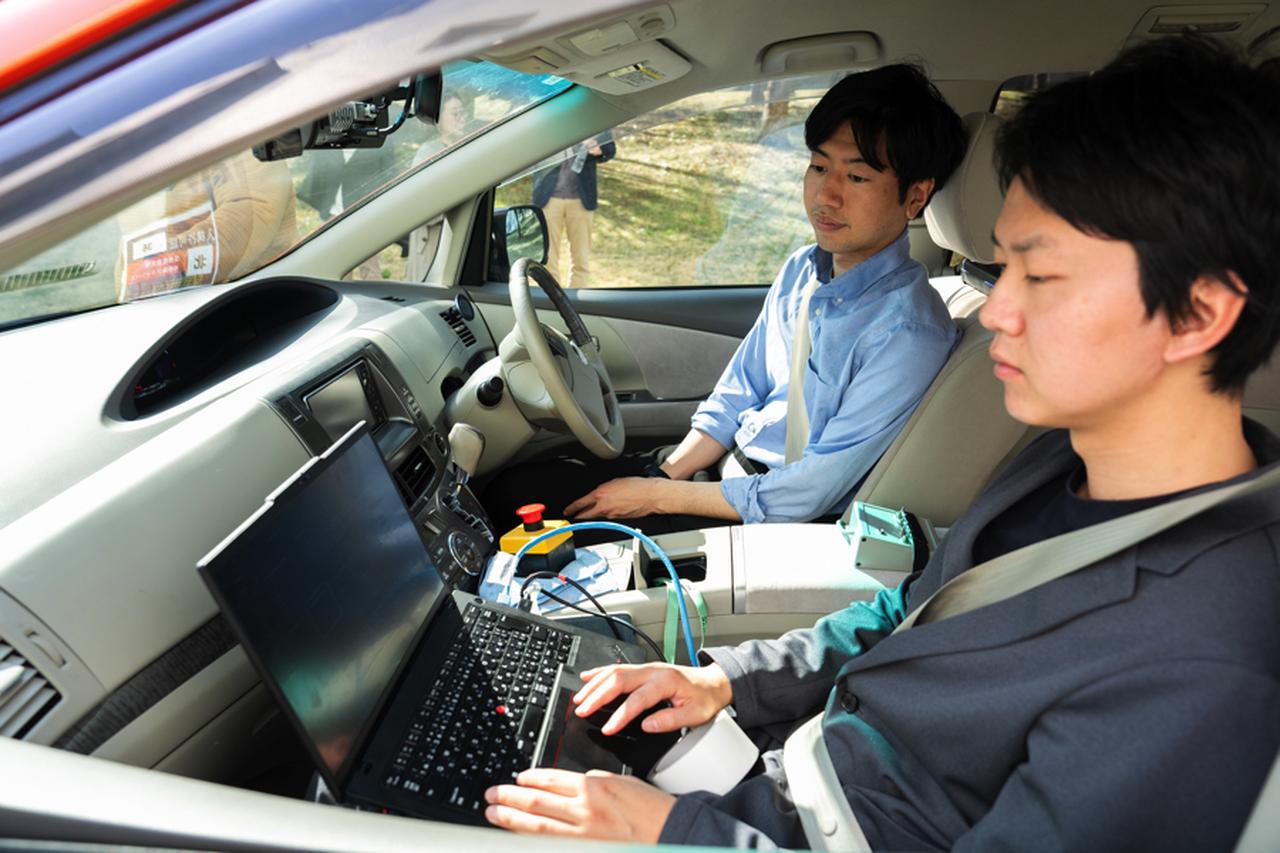
Operation inside the vehicle during the trial. The high-accuracy sensors collect driving environment data and other detailed information.
Hashimoto: When it comes to actual work of remote monitoring, the key is how many vehicles one operator can handle, in other words, determining how closely the 1-to-N relationship holds. I am concerned that, if the new system is seen as an extension of the current frameworks demanding human-level responsibility, constant monitoring will be required. This may inevitably result in the operation being close to 1-to-1. To overcome this, it is important to consider how far we can entrust abnormality detection and other tasks to the systems and, in the first place, how we should design the concept of responsibility. Especially in Japan, drivers often bear disproportionate responsibilities and unless we review our approaches to receptivity and accountability, this burden presents a barrier to business feasibility.
Ogata: Under the current rule, it is difficult to issue instructions directly to Level 4 vehicles from the outside, as we can only issue permissions in principle. Nevertheless, our goal is to control the entire system from the infrastructure side. I believe that both technologies and rules and frameworks will need to be updated to achieve this.
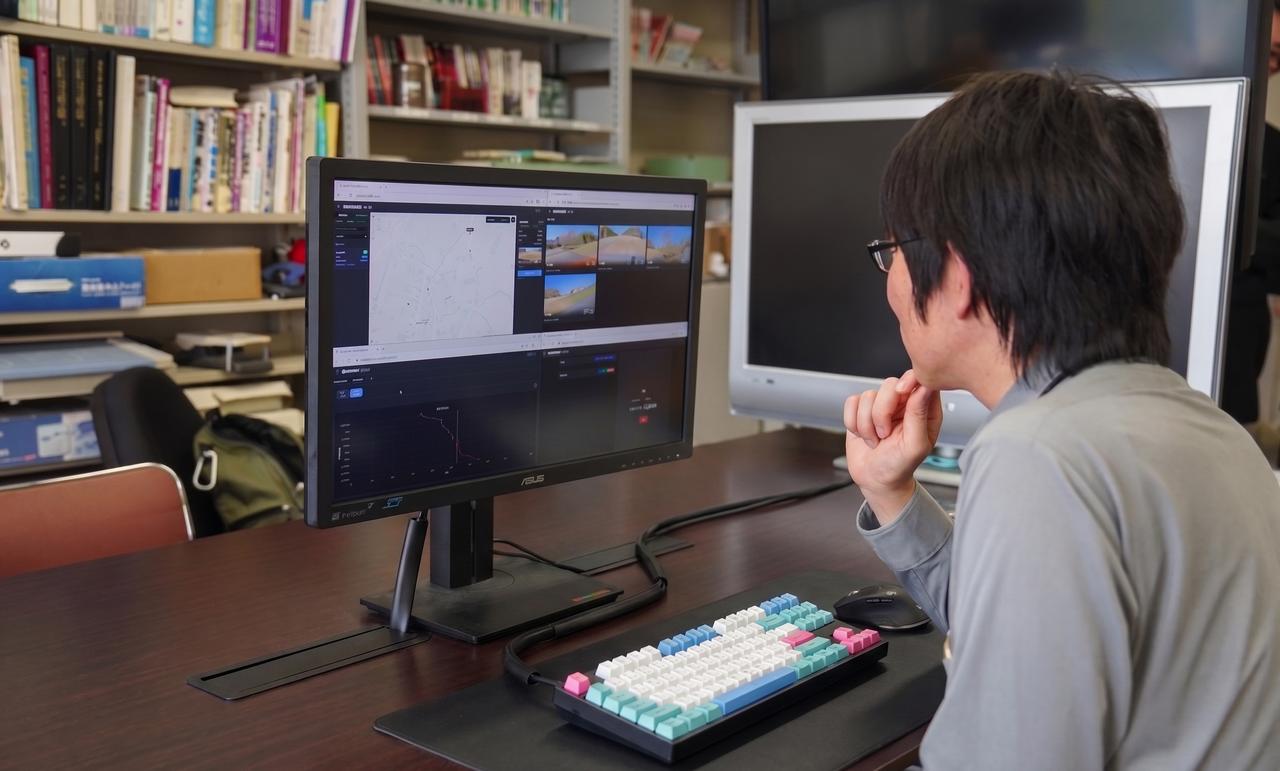
A remote monitoring scene. The monitor displays ever-changing information from on-vehicle cameras and sensors.
The future of mobility glimpsed through the trial
Sasatani: In today’s discussion, I feel that the idea of controlling the entire traffic network through selected vehicles was especially thought-provoking. Hitachi is also exploring the possibility of creating value while studying both vehicles and infrastructure. In addition, I’m beginning to see results from the approach of preparing the environment through pre-run route inspection. I will continue to further refine this concept. Through collaborative efforts in the demonstration field like this trial, I hope to expand the scope of our work by including the infrastructure.
Ogata: Personally, the concept of selective control using pacer vehicles to influence overall traffic is impressive. By increasing the number of self-driving cars, it may be possible to adjust the overall traffic flow throughout the city. I also feel that congestion and other traffic issues faced by local communities can be addressed by optimizing them through integration with public transportation. Going forward, I would like to demonstrate the concrete value of an infrastructure-connected control system designed to manage the overall traffic network through a trial using multiple cars.
Hashimoto: As population decline and other issues persist in society, I hope that collaboration between Hitachi, a strong industry player, and local governments will envision a future city which goes beyond mobility to encompass health and daily life. Hopefully, we can work together to achieve this.
Omae: From a university standpoint, I feel that it is important how we contribute to a mobility service that supports local communities. It is quite conceivable that, if mobility brings diverse values into the entire community, it serves as public infrastructure supported throughout the community. Given the progress of AI and cyber-physical systems, autonomous driving in its present form may no longer be a norm in 10 years’ time. For example, we can imagine a future where a highly intelligent humanoid will maneuver a vehicle and operate any car autonomously. Considering such a pace of change, I feel that it is even more important from now on to shift the focus from the mere sophistication of vehicles to understanding mobility and the nature of society from a wider perspective.
Hasejima: The direction we have discussed today is exactly what our team is currently studying. I would like to continue to make efforts toward broader real-world deployment with expert guidance through joint research and other activities. Thank you very much for today.
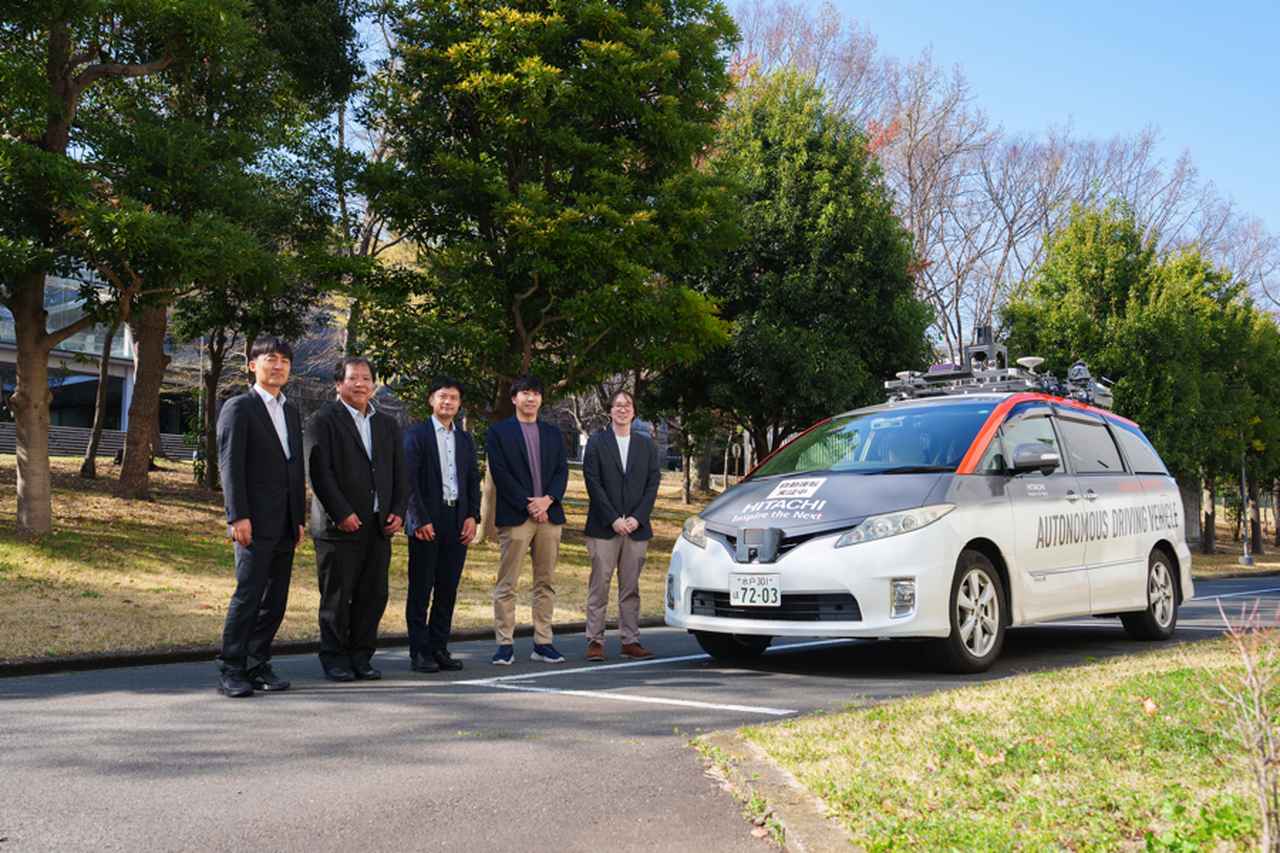
Autonomous driving technology will create new value and offer social infrastructure contributing to solving issues in local communities. This discussion provided a great opportunity to look into such a future.
Profile
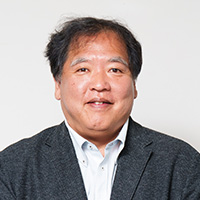
Manabu OMAE
Professor, Faculty of Environment and Information Studies, Keio University
In 2000, he completed a doctoral program in the Department of Industrial Mechanical Engineering, Graduate School of Engineering, the University of Tokyo, and received his Ph.D. in Engineering. He became an assistant of the Faculty of Environment and Information Studies, Keio University in 2000, assistant professor in 2001, associate professor in 2005, and professor in 2013. He specializes in mechanical engineering, machine control, and automotive engineering. His research subjects include autonomous driving of automobiles, vehicle platooning, and remote control technology for vehicles.
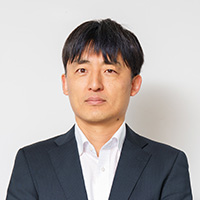
Naohisa HASHIMOTO
Director of Planning Office, Research and Planning Office, Department of Information and Human Factors
National Institute of Advanced Industrial Science and Technology (AIST)
Associate Professor of Cooperative Graduate School Program, the University of Tsukuba
Associate Professor of Cooperative Graduate School Program, Tokyo University of Science
He joined AIST in 2005. After serving as a visiting researcher at the Ohio State University in 2010, he was seconded to Industrial Machinery Division, the Ministry of Economy, Trade and Industry and then assumed his current position in 2019. His main areas of research include ITS, autonomous driving systems, and MaaS.
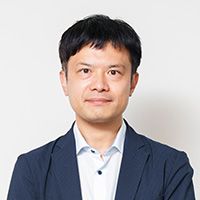
Takehito OGATA
Senior Manager, Autonomous Control Research Department
Mobility & Automation Innovation Center
Digital Innovation R&D
Research & Development Group, Hitachi, Ltd.
Takehito Ogata joined Hitachi, Ltd. in 2007. He was engaged in the R&D of driving assistance and autonomous driving systems using on-vehicle cameras. From 2014 to 2016, he was in charge of the product development of automated parking systems as an employee on temporary assignment at the automotive equipment related business unit. After that, he promoted a research project on autonomous mobility such as railroads, buses, and drones, and traffic-based smart cities. From 2021 to 2024, he was a researcher at Hitachi’s European R&D Centre. He assumed his current position in 2026.
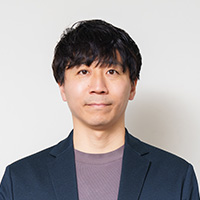
So SASATANI
Chief Researcher, Autonomous Control Research Department
Mobility & Automation Innovation Center
Digital Innovation R&D
Research & Development Group, Hitachi, Ltd.
So Sasatani joined Hitachi, Ltd. in 2012. He was mainly engaged in the R&D of sensing technology using images and 3D point cloud analysis. He also worked on embedding a video recognition function into security cameras and its commercialization, as well as R&D on human behavior measurement and heterogeneous sensor integration. After that, he expanded his scope of research to the automated and autonomous mobility sector, and has been promoting R&D toward the real-world deployment of autonomous driving coordinated with urban infrastructure since fiscal 2025.
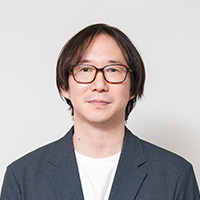
Noriyasu HASEJIMA
Chief Researcher, Autonomous Control Research Department
Mobility & Automation Innovation Center
Digital Innovation R&D
Research & Development Group, Hitachi, Ltd.
Noriyasu Hasejima joined Hitachi, Ltd. in 2013. He was engaged in the R&D of automated driving assistance and autonomous driving systems. From 2015 to 2016, he was involved in a joint development with the related business unit toward the commercialization of an automated parking function. He was also engaged in the R&D of an autonomous inspection robot, aiming for cross-sectional technology sharing. Since 2025, he has been promoting R&D into achieving vehicle-city connected autonomous driving from the perspective of the vehicle user.