Avoiding excessive control leads to skill improvement
Ishihara: In March 2026, Prof. Inoue and I developed a new operation-assist control technology through joint research between Keio University and Hitachi, Ltd. This is a technology aimed at helping novice operators at industrial plants effectively improve their skills. During R&D, experiments using a chemical plant operation simulator showed that deliberately reducing the level of system assistance was more effective for improving novice operators' skills than providing a high level of assistance.
Inoue: Behind this research lies the worsening labor shortage caused by the declining birthrate and aging population. As AI and automation technology advance, machines are increasingly supporting human work, but there are concerns that relying too heavily on machines could prevent people from developing their ability to think for themselves and their skills. As we move toward a society where people and machines coexist, it will become important to build mechanisms that allow people to keep growing.
To address these challenges, we developed a control technology that allows even novice operators to naturally improve their operating skills while ensuring safety.
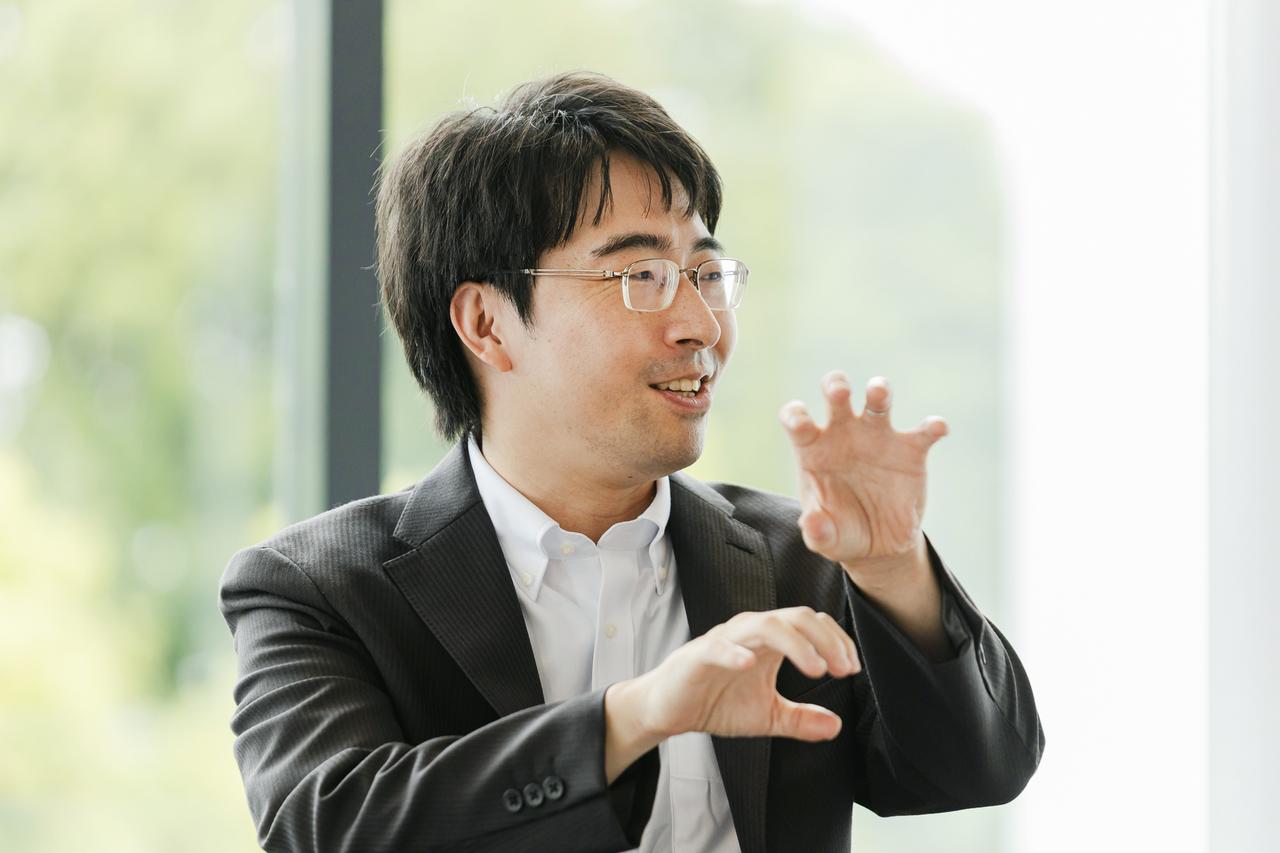
Associate Professor Masaki Inoue explaining the joint research with Hitachi
Ishihara: When children practice riding a bicycle, they use training wheels, but if the training wheels stay on forever, they won't learn to ride on their own. Together with Prof. Inoue, we developed and tested what could be called “training wheels that appear only when there's danger, rather than always being attached.” This demonstrated that not providing too much help leads to human growth.
Inoue: The finding that it's better not to over-assist was interesting to me as well. When considering such control technology, we tend to think of providing support with a high level of safety ensured through tight control. The perspective of not over-controlling truly represents a reversal in thinking.
Ishihara: Of course, technically it's possible to apply stronger control. But we deliberately avoid doing so and instead intervene as little as possible. I think this is a new way of thinking about control that's only possible in an era where advances in AI have expanded what digital technology can do.
Inoue: This is something that's often said in education as well: too much input from those around you can be bad. In this joint research, we envision the technology being used for the safe operation of industrial plants, but I think this idea could also be applied to other areas including driver-assist systems. Many people enjoy driving, but if they're constantly assisted, it can take the fun out of driving. Enjoyment is an important element for people and is also connected to well-being.
Ishihara: The relationship between enjoyment and improvement surely applies to athletes as well. Because a sport is fun, you naturally practice; practice makes you better, and as you get better, you find it even more enjoyable. I think this could be described as a technology that promotes that positive cycle.
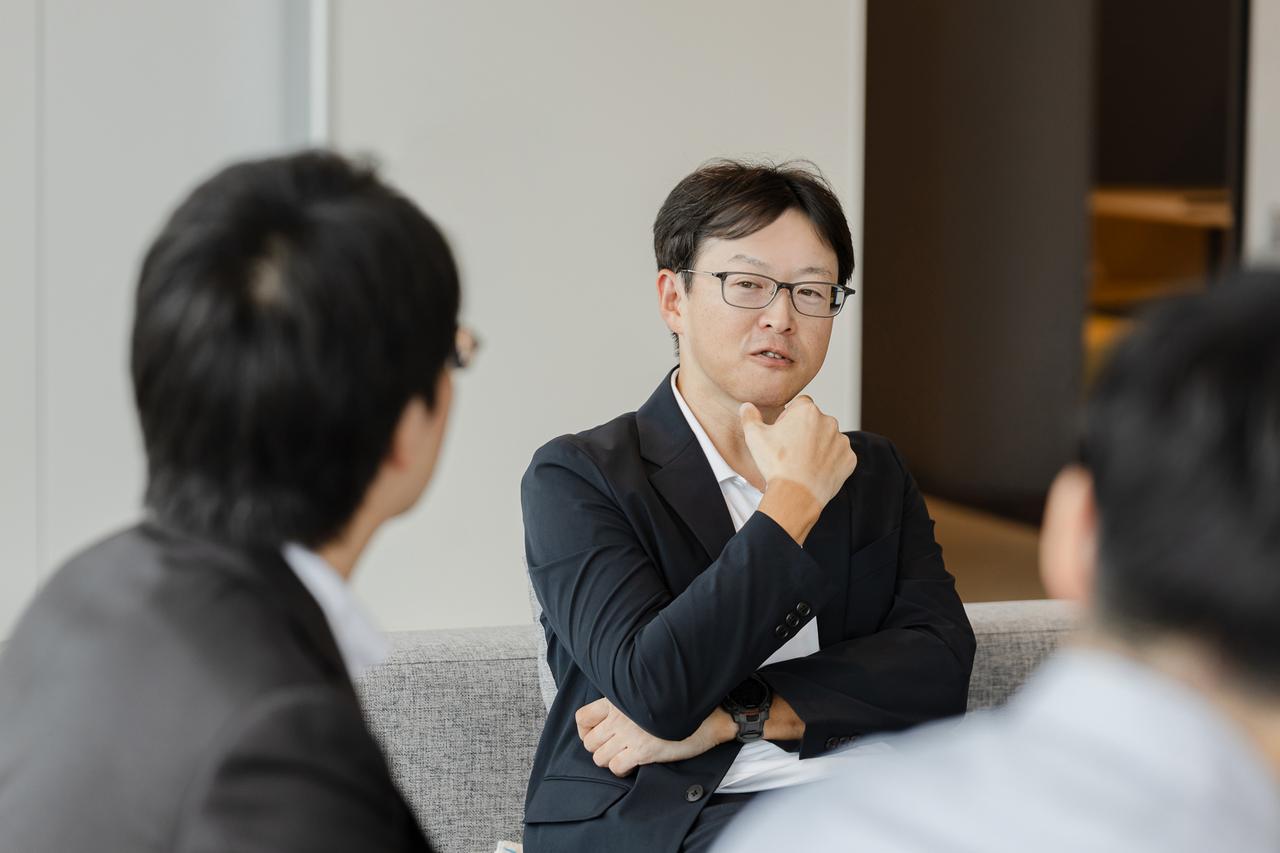
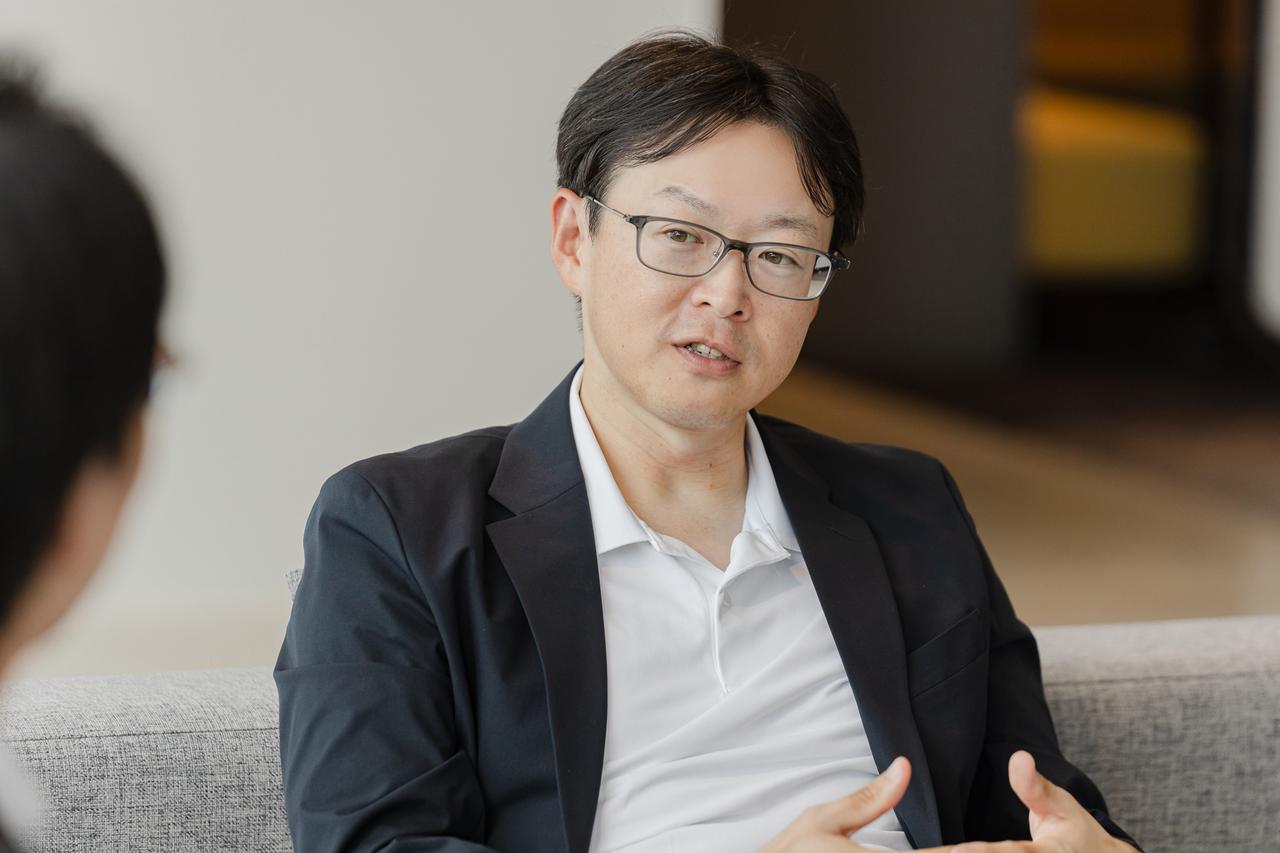
Chief Researcher Shinji Ishihara discussing the positive relationship between enjoyment and improvement
Control is the technology of bringing something that changes into a desired state
Ishihara: Going back to basics, I think of control technology as the technology of bringing something whose state changes into a desired state. Things like water temperature, the movement of living organisms, and chemical reactions can all be regarded as states. How do you move something from one state to another state? For example, changing the room temperature with an air conditioner and keeping it constant are forms of control.
Inoue: The idea of control can also be applied to social systems, right? Control technology is also used to control traffic volume and reduce congestion, in infrastructure systems such as electric power systems, and in air traffic control. In addition, technology known as dynamic pricing—such as lowering the price of unsold deli items at a supermarket or changing hotel room rates based on occupancy—can also be considered a form of control.
Another important aspect of control technology is its feedback structure. Feedback means observing the state of the thing you're acting on, making appropriate interventions accordingly, and guiding it toward the desired state. In the earlier air conditioner example, a function in which a sensor measures the room temperature and automatically adjusts things such as airflow is a form of control that uses feedback.
Kono: In conventional control theory, to approach a target state, you observe the deviation from the target and apply negative feedback to cancel it out, correcting the deviation. This is called negative feedback and is a fundamental concept in control. In our earlier discussion of the joint research, there's positive feedback—people find it fun, so they try to make it even more fun. It's a completely different approach, and it seems like a new theory could be built from here.
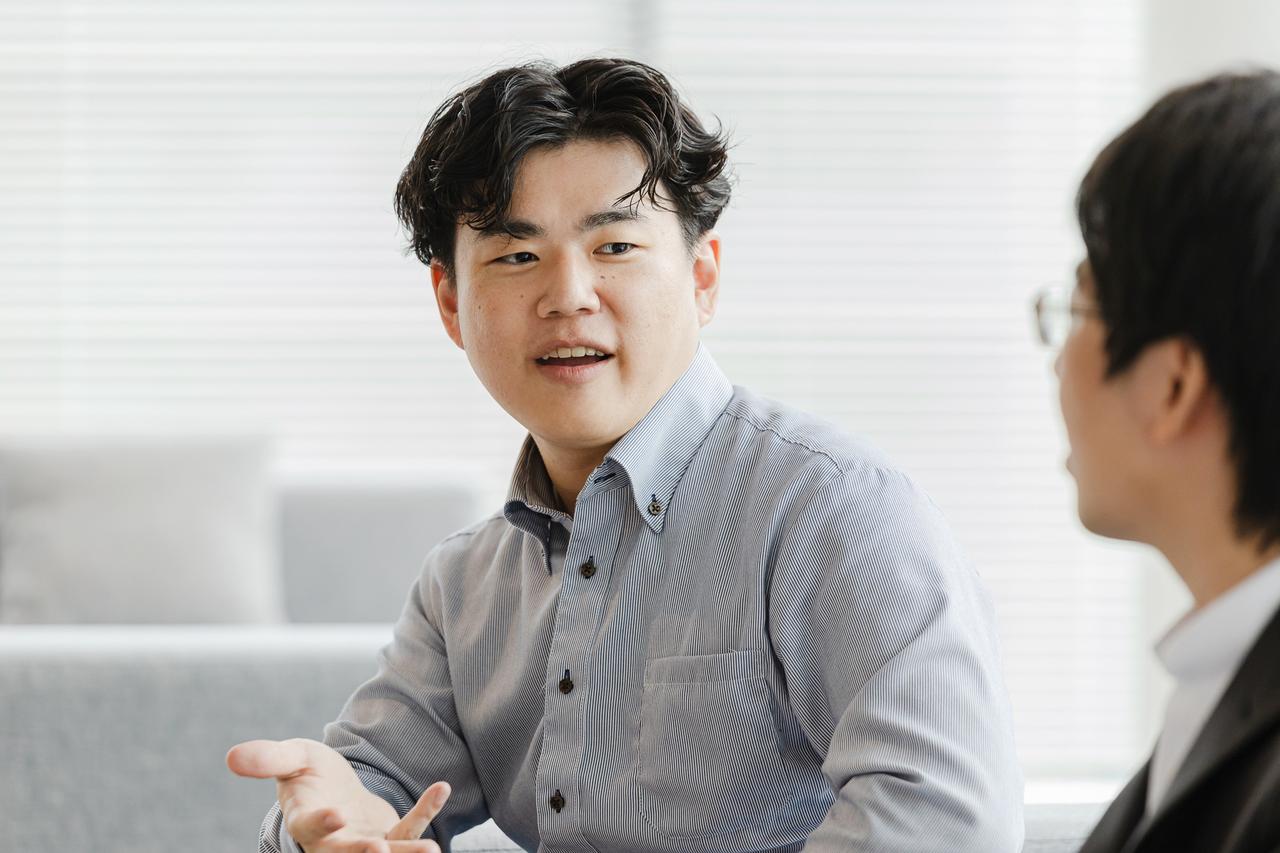
Kono discussing how the new approach differs from conventional technology that uses negative feedback
Inoue: That's right. Control aimed at approaching a target requires negative feedback, but the theme of this joint research is utility maximization. Since it's a maximization problem with no fixed target value, it's fine even if positive feedback leads to divergence. Safety, the most important point, is ensured, but beyond that, people are free to do as they like. It's about designing a system that allows people to act as they wish.
People, AI, and control technology: three players
Ishihara: At power plants, oil refineries, and chemical plants, there's a risk that an operational mistake could lead to a major accident. Because of this, a high level of safety is required in training new employees, and the training would be a very tense experience.
By using the results of this joint research, if new employees can learn through trial and error in a setting where safety is guaranteed, I think the job will become more enjoyable and the skills they acquire will change as well. I think this can also provide great value from a management perspective, such as lowering turnover rates and shortening the time it takes to become proficient.
Kono: While conducting R&D on the integration of system control with machine learning and AI—such as plant automation to support production operations at manufacturing plants—I visit various industrial sites, and whenever I do, the importance and difficulty of passing on the skills of experienced workers to the next generation come up. With the workforce shrinking, the value of training keeps rising. It's not a straightforward challenge, but if control technology can be applied to it, that would be promising.
Inoue: The assist technology we co-developed embodies the very concept of a partner that grows together with people. When it comes to co-creation with AI, people often think in terms of dividing roles based on what each is good or bad at. But if roles are divided that way, humans could end up being assigned only boring tasks. For instance, people work hard to gather data, and AI “cooks” with it. Even though we wanted to do the cooking ourselves, the fun part ends up being taken away by AI. Instead, it would be better if humans could do the fun part.
Ishihara: Expectations for AI are high, but I don't think AI can completely replace humans. That's exactly why I'd like to think more about what control should look like in the age of AI.
Kono: There are more and more control technology solutions that make use of AI, but at industrial sites, people often say they “just can't fully trust AI.” I think the key is to think about what kind of control is easy for people to accept and what kind of role for AI is easy for people to accept.
Ishihara: I think we're in a situation with three players: people, AI, and control technology. Each has its own strengths, and I think what matters is how you combine them.
Kono: For example, experienced operators on-site pay attention to things beyond monitored sensing data. They use their five senses to perceive subtle sensations that cannot be measured, imagine physical phenomena that have not been observed, and operate based on their experience. Since not everything in physical space can be represented as data, from that standpoint there are areas where humans have an advantage over AI.
Inoue: AI—especially natural language processing and image recognition, which are its core technologies—is highly capable of processing ambiguous information such as language and images. On the other hand, one weakness is that it is difficult to guarantee absolute safety.
Ishihara: With AI, there are also issues with computational load and power consumption. For example, on mobile platforms where the means of supplying power are limited, if you try to install a high-performance chip with high power consumption to run AI, a large-capacity battery becomes necessary. If the AI is smart but only runs for two hours, the scenarios in which it can be used are limited.
Inoue: Control technology is not good at handling ambiguous matters, but it is strong when it comes to security and safety, such as ensuring that collisions never occur. Computations at the level of quadratic programming can run well even on inexpensive, small chips. When controlling small mobile platforms such as drones, weight and batteries are critical issues, so this low power consumption is a major strength.
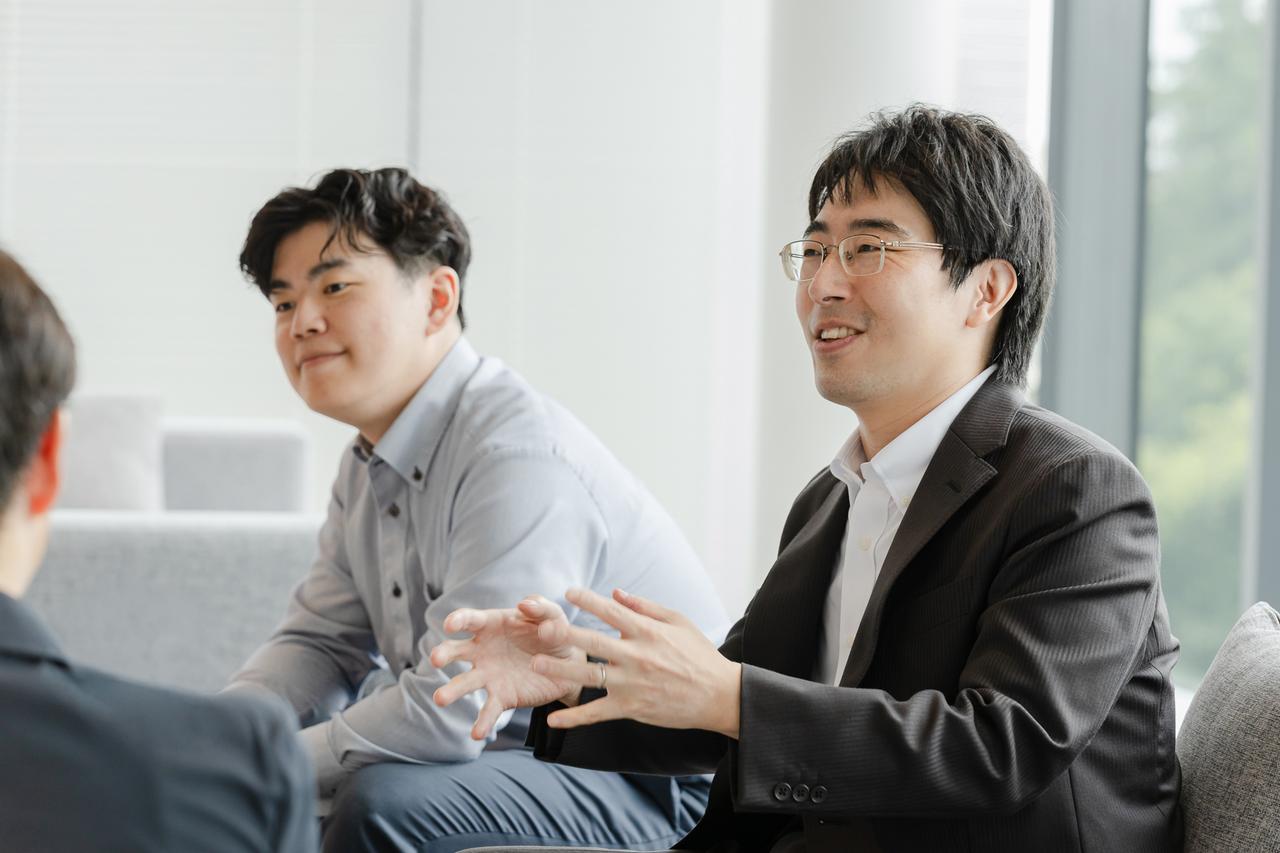
Ishihara: Conventional control technology also has an advantage in terms of output speed, such as the frequency at which control signals are updated. For mechanical systems, for example, continuous output at a rate of 1,000 times per second is required. Today's AI cannot handle this output speed.
Kono: In the case of chemical plants, the control cycle ranges from about one second to one minute, so the speed issue can be overcome. However, in situations with serious risks such as explosions or the leakage of toxic gas, reliable reproducibility is required. In terms of reproducibility, AI that performs probabilistic processing cannot be fully relied on. It's important to use the right method for the right situation.
Physical AI’s potential for autonomous development
Ishihara: When thinking about the future of digital technology use and control technology, autonomy is also becoming an important keyword. I think physical AI, which has seen rapid advances in R&D in recent years, will provide solutions for things that have previously been difficult to make autonomous. Kono, how do you see the relationship between physical AI and control?
Kono: Rather than handling only text and images like conversational generative AI, AI that uses cameras and sensors to acquire information about the real (physical) world and physically moves robots or equipment is called physical AI.
The term physical AI has only recently come into use, and no clear definition has yet been established; even experts do not necessarily share the same understanding. Robot control and autonomous driving technology are often cited as representative examples of physical AI, but I personally think the term can be used in a broader sense without being limited to a particular field.
Inoue: I also want to broaden the scope of what physical AI refers to. I think control of industrial plants and social infrastructure can also be called physical AI.
Kono: In the field of robotics, a model called Vision Language Action (VLA) is attracting attention. This is a type of physical AI that integrates and processes the three elements of vision, language, and action. For example, the idea is that a single model handles the entire flow of understanding a situation from video or images captured by a camera, expressing it in words and making judgments about it, and then actually moving a robot arm.
Personally, I think there's no difference in the underlying idea between VLA and conventional control technology. You could say physical AI is a variation of control technology.
Inoue: Earlier, the conversation focused on the negative aspects of AI, but I personally have a positive impression of AI. The use of AI in control has made it possible to handle unstructured information—such as text, images, video, and audio—that couldn't be handled before.
Kono: Being autonomous is also one indicator, isn't it? As physical AI gains autonomy, things that previously could only operate in specific environments will be able to operate in a variety of environments. Isn't that what characterizes physical AI?
Inoue: That's right. What I expect from physical AI is that potential for autonomous development.
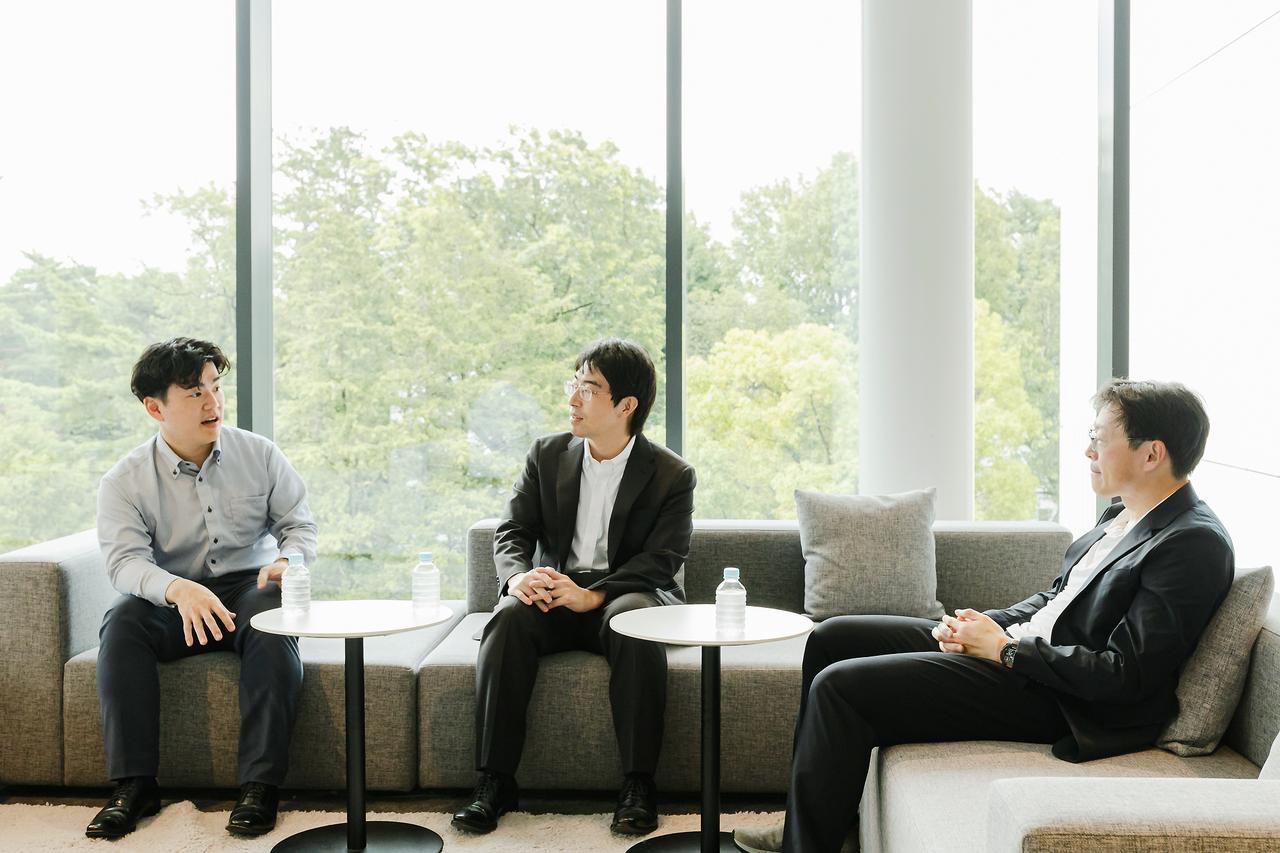
Expectations for AI that develops plans at the upstream stage
Ishihara: In the conventional approach to control, the idea was to acquire data suited to a goal given in advance. I think physical AI in the future can be expected to create the goal itself—questions like “what should be done right now” and “what information is needed for that.”
Designing something is a difficult challenge to begin with. That's exactly why I think AI can play an active role in the upstream planning stage. If we can build a system where physical AI designs the plan and conventional control technology operates reliably in the downstream stage, I think a wider range of things could be made more efficient.
Inoue: Recent AI agents do show that trend. For example, they can now make autonomous judgments and act on them, such as sending an email when information comes in or searching the web for information to help make a decision when they encounter a question they cannot answer. So, Ishihara, you're hoping that this can be done in the physical world as well, right?
Ishihara: Yes. Since this is already possible in virtual space, there should be a future where physical AI can autonomously acquire information and make proposals in physical space too.
Kono: However, even if we could acquire all kinds of data in the real world, we would still need a perspective on how to interpret that data. It's ultimately humans who can provide that perspective. AI tells people this is how it looks, and people tell AI here's how you should interpret it. The idea is that physical AI, guided by human perspectives, acts autonomously and develops plans, then passes on what should be done now to downstream AI.
In system development as well, AI's role is expanding beyond writing code to upstream stages such as requirements definition. Won't the same thing happen in the fields of control and physical AI too? The further upstream you go, the more you need to solve difficult problems that have no correct answer, and the extent of collaboration between humans and AI will also increase. The role humans need to play will likely expand as well.
Further development of physical AI by finding collaborative domains
Ishihara: Since AI's momentum shows no sign of stopping, mastering the use of AI is a fundamental premise. On top of that, how do we strike a balance and drive development while making use of the respective value of humans, AI, and machines? As a researcher, what kind of value can I give back to society and industry? There's no clear answer, but this is where Hitachi can showcase the technological strength it has built up across a wide range of fields, including products, OT (operational technology), and IT (information technology).
Kono: A major takeaway from today's discussion was the emergence of people as an element beyond the dichotomy between control technology and AI. How to pass on the know-how of experienced workers at industrial sites is also a major theme of the research I'm currently working on. From the perspective of preserving the roles humans should play and their knowledge, I'd like to reconsider how AI and control should relate to each other.
Control may be less something tied to a specific technology and more a desired state, as Ishihara mentioned—perhaps something closer to a way of looking at things. How to understand physical AI, which will become more widespread in society, in terms of the idea of control is likely to become a topic for future research.
Inoue: Put simply, I think AI's evolution has expanded what's possible. I'd like to create new value that arises from having both AI and control. As for research at the university, I think there are two directions: exploring the fundamentals of AI technology on one hand, and improving safety for practical application on the other. We need to continue research in both directions.
In this joint research with Ishihara and the others, I found it interesting that the research question was not clearly defined from the outset. At university, you learn theory and mathematics, but beyond that, there's value in formulating the question of what we should think about. If the deliverable of a joint research project is decided from the outset, the research won't lead to anything beyond that. I'm very grateful for the opportunity to look in the same direction alongside various researchers and discuss ideas back and forth.
Ishihara: There are fewer and fewer social challenges that a single company alone can solve. I'm grateful that university professors share various insights with us, and there should be even more room to collaborate with other companies. It would be great to have more opportunities for ongoing discussion with people from a wide range of fields, beyond academic conferences and study groups.
Kono: It's the concept of collaborative domains and competitive domains, isn't it? Back when Japan's chemical plants were rapidly advancing and becoming more sophisticated, how to achieve advanced control of plants and keep them running stably was a shared challenge across the industry. I've heard that at the time, engineers from various chemical manufacturers gathered at academic conferences and openly discussed control problems across company lines, which raised the technical level and improved quality across the industry. Today, as specialized fields become increasingly siloed, it's becoming harder to find collaborative domains. That's precisely why I want to develop the DML study group of the Society of Instrument and Control Engineers, which I chair (a study group on redesigning control theory integrated with machine learning for physical AI), into a forum for co-creation that nurtures new collaborative domains in today's physical AI.
Ishihara: There's a lot to research, but there are also things Hitachi can't achieve on its own. Of course we'll continue joint research with Prof. Inoue, but we'd also like to seek out a wide range of co-creation partners.
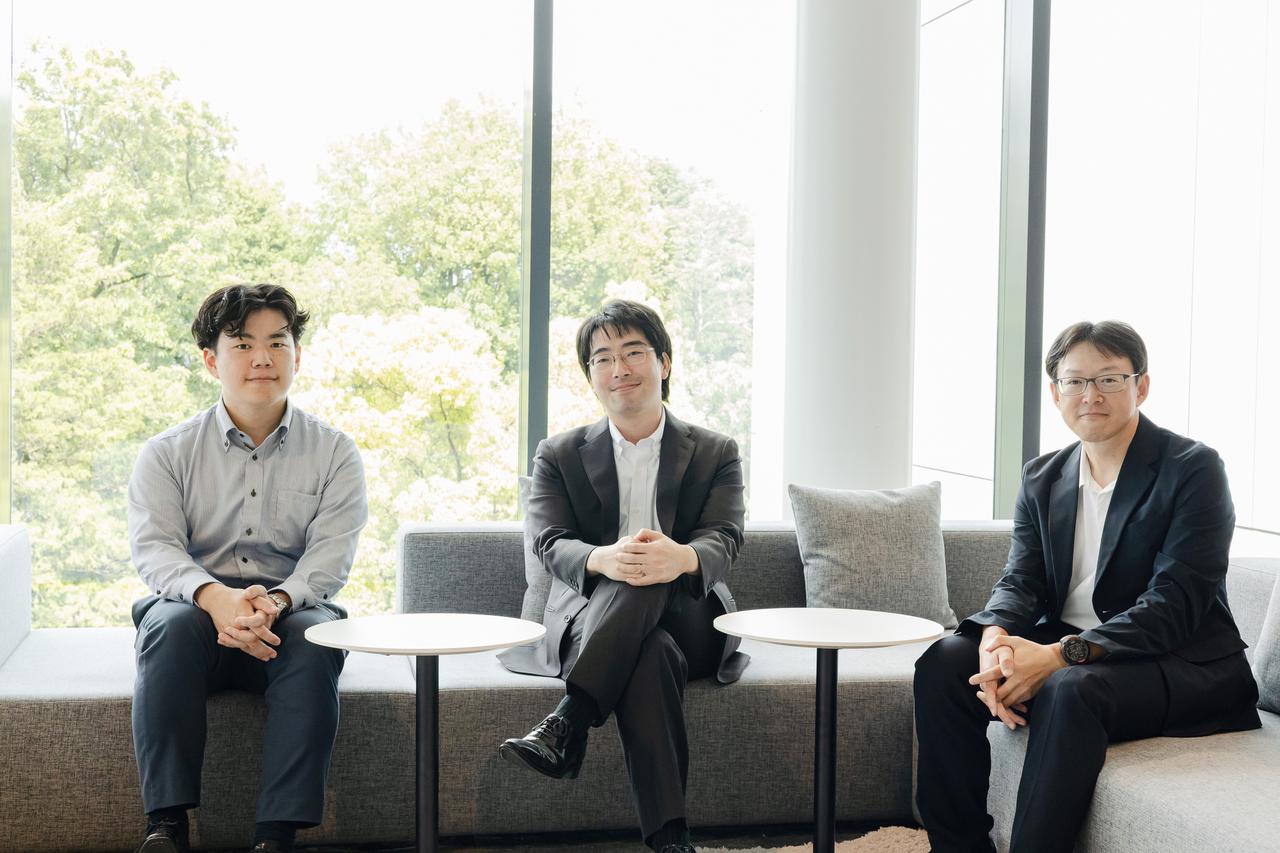
Profile
Masaki Inoue
Associate Professor of the Department of Applied Physics and Physico-Informatics, Faculty of Science and Technology, Keio University
He received the Ph.D. degree in Mechanical Engineering from Osaka University in March 2012. From April of the same year, he served as a researcher on the FIRST Aihara Innovative Mathematical Modelling Project of the Japan Science and Technology Agency and as a special researcher at the Graduate School of Information Science and Engineering, Tokyo Institute of Technology. He became an Assistant Professor at the Faculty of Science and Technology, Keio University, in April 2014, a Senior Assistant Professor in April 2018, and an Associate Professor in April 2021. He served as a Research Fellow (DC2) of the Japan Society for the Promotion of Science for two years from 2010. He has worked extensively on pioneering new control theories for systems in which humans and machines collaborate, with applications ranging from assistance technologies for drivers and operators to social infrastructure systems such as ground and air traffic management and power grid control. He holds a Doctor of Engineering. He is a member of Institute of Electrical and Electronics Engineers (IEEE), the Society of Instrument and Control Engineers, the Institute of Systems, Control and Information Engineers, and the Japanese Society for Artificial Intelligence.
Shinji Ishihara
Manager, Autonomous Control Research Department, Mobility & Automation Innovation Center
Digital Innovation R&D
Research & Development Group, Hitachi, Ltd.
He joined Hitachi, Ltd. in 2009. He engaged in R&D on control and state-estimation algorithms for large machinery such as construction equipment and vibration testing devices. He is currently expanding his research scope to the control of social infrastructure systems such as railway and electric power systems and advancing R&D aimed at optimizing the operation of social infrastructure through control technology. He has held his current position since 2025. He holds a Doctor of Engineering. He is a member of the Society of Instrument and Control Engineers, the Institute of Systems, Control and Information Engineers, IEEE, and other organizations.
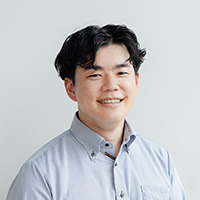
Yohei Kono
Chief Researcher, DX Engineering Research Department, Systems Innovation Center
Digital Innovation R&D
Research & Development Group, Hitachi, Ltd.
He joined Hitachi, Ltd. in April 2016. With a focus on physical AI technology that integrates physical modeling, control theory, and AI/machine learning, he is advancing R&D in plant automation, process digital twins, and energy system optimization. He has held his current position since 2025. Since 2026, he has chaired the Society of Instrument and Control Engineers' study group on redesigning control theory integrated with machine learning for physical AI. He received awards including the Society of Instrument and Control Engineers' Paper Award (Takeda Prize) for fiscal year 2019. He holds a Doctor of Engineering. He is a member of the Society of Instrument and Control Engineers, the Society of Chemical Engineers, Japan, and IEEE.